
Coefficient Giving Opens $10M Funding Call for Alternative Protein Taste Research
San Francisco-based philanthropic funder Coefficient Giving has launched a Request for Proposals (RFP) through its Farm Animal Welfare Fund, offering up to $10 million for research and development projects targeting the sensory shortcomings of alternative proteins. Applications are open until August 10, 2026, with awards to be announced on a rolling basis and no later than November 30. The fund has identified taste as the central barrier to mainstream adoption …

Cellulose Scaffolds Cut Growth Factor Costs Tenfold in Cultivated Whole-Cut Research
Researchers at the Hebrew University of Jerusalem have developed a cellulose-based scaffold that reduces the quantity of growth factors needed to produce cultivated meat tissue by up to tenfold, according to a study published in Current Research in Food Science. Growth factors, the proteins that direct stem cells to proliferate and differentiate into muscle tissue, account for more than 95% of media costs in cultivated meat production and remain one …

MyriaMeat Cultivates Roe Deer Muscle Cells, Extending Its iPSC Platform Beyond Pork
Munich-based cultivated meat startup MyriaMeat has established a pluripotent stem cell (iPSC) line from roe deer and successfully produced functional roe deer muscle cells using its patented differentiation protocol, the company announced this week. Expanding the species range The result is the first time MyriaMeat has applied its iPSC platform to a wild game species. The company, founded in 2022 as a University of Göttingen spin-off, had previously focused its …
AI-Integrated Fermentation Capacity Expands at Praj Matrix as India Targets Bio-Based Economy
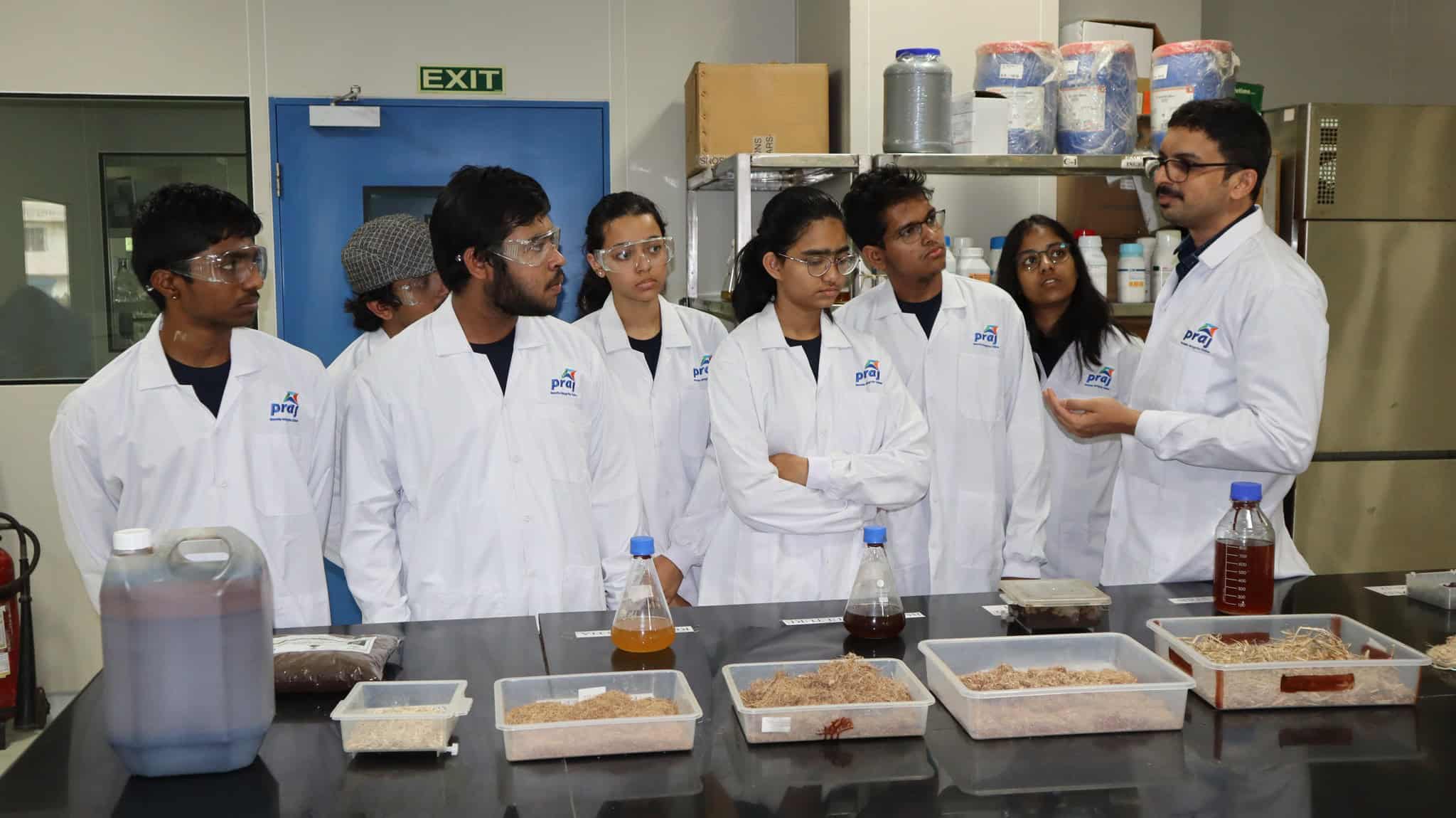
Indian industrial biotech company Praj Industries has launched an Advanced Precision Fermentation Lab at its Praj Matrix R&D centre in Pune, India, alongside a formal research partnership with BRIC-NCCS (Biotechnology Research and Innovation Council – National Centre for Cell Science). The facility is designed to support high-capacity, AI-enabled fermentation processes across sectors, including food, pharmaceuticals, cosmetics, biofuels, and beverages, with a stated focus on reducing scale-up risks and improving process …

Celleste Bio Uses Single Cocoa Bean to Make Chocolate Bars via Cell Culture Technology
Israeli food technology company Celleste Bio has produced what it describes as the world’s first chocolate bars made with cell-cultured cocoa butter, developed in partnership with Mondelez International. The bars, nearly a dozen in total, were formulated by Mondelez using cocoa butter produced through Celleste’s proprietary cell suspension culture technology. According to the company, the cultured cocoa butter is bio-identical to conventionally sourced material, matching the same texture, melt profile, …

Ajinomoto Finds Plant-Based Fix for One of Cultivated Meat’s Biggest Cost Problems
Japanese food and amino acid company Ajinomoto Co. has developed a technology that could help lower one of the biggest cost barriers in cultivated meat production, by replacing an expensive ingredient used in the cell-growing process with a cheaper, plant-derived compound. Growing meat from animal cells requires a nutrient-rich liquid called culture media, which feeds and supports cell growth throughout production. One of the most expensive ingredients in that liquid …
German Vaccine Scientists Are Now Applying Their Expertise to Scaling Cultivated Meat
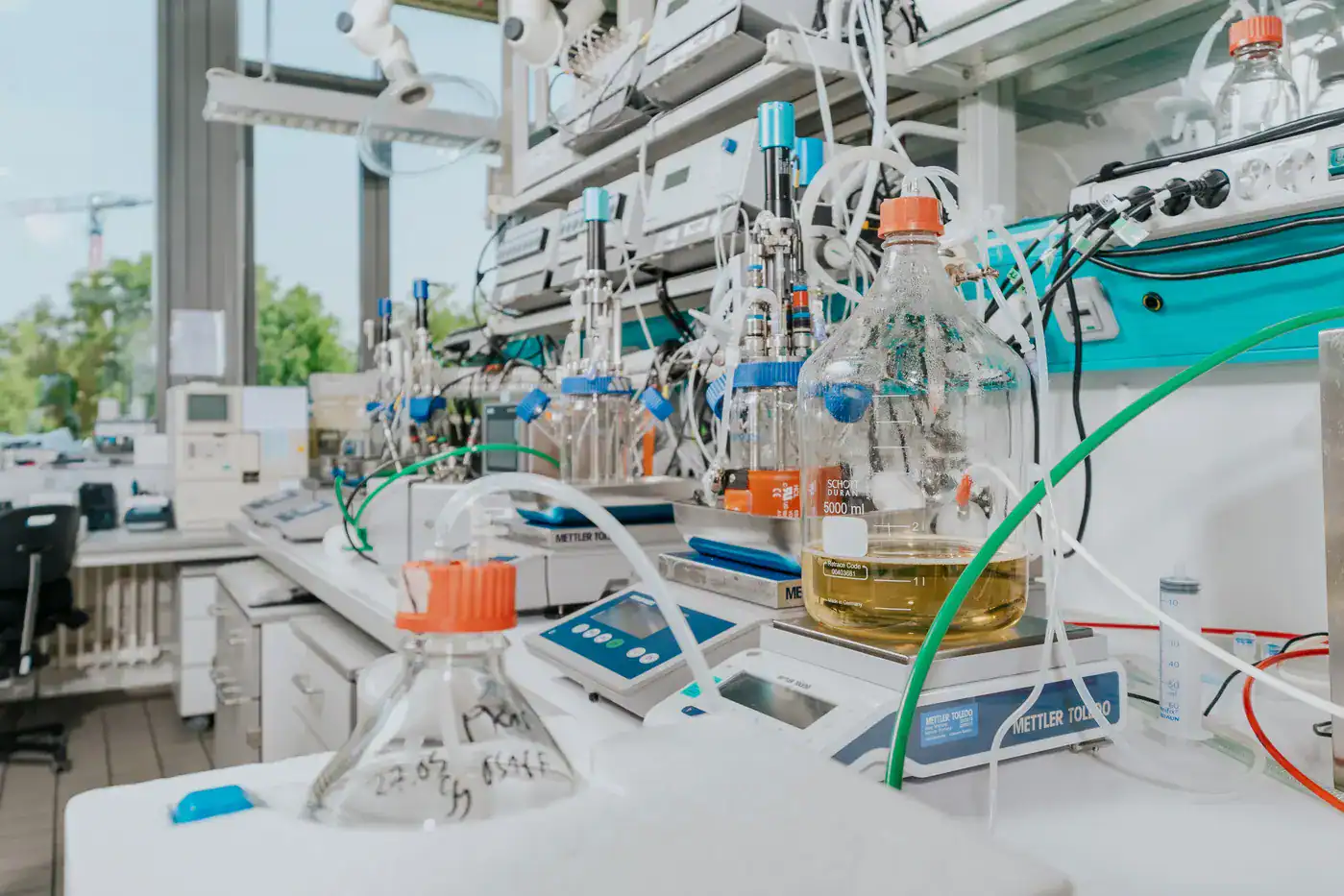
One of Germany’s most respected scientific institutions is lending its bioprocess engineering expertise to the cultivated meat sector, in a new collaboration that could help bridge the gap between laboratory-scale cell cultivation and full industrial output. The Max Planck Institute for Dynamics of Complex Technical Systems in Magdeburg has entered into a formal research partnership with Rostock-based startup Innocent Meat under a project titled “Cellular Agriculture and Process Intensification” (ZELPI). …

Investment Climate Podcast: Del Afonso of Harmony Baby Nutrition Shares How to Get Funded in 2026
In this podcast series, Alex Shandrovsky interviews investors about benchmarks for funding Alt Proteins in 2026 and uncovers the investment playbooks of successful Climate Tech CEOs and Leading VCs. Podcast Host Alex Shandrovksy is a strategic advisor to numerous global food tech accelerators and companies, including alternative proteins and cellular agriculture leaders. His focus is on investor relations and post-raise scale for agrifood tech companies. This podcast is syndicated through …
Tufts University to Open Innovation Hub for Future Foods Using $2.1M Grant
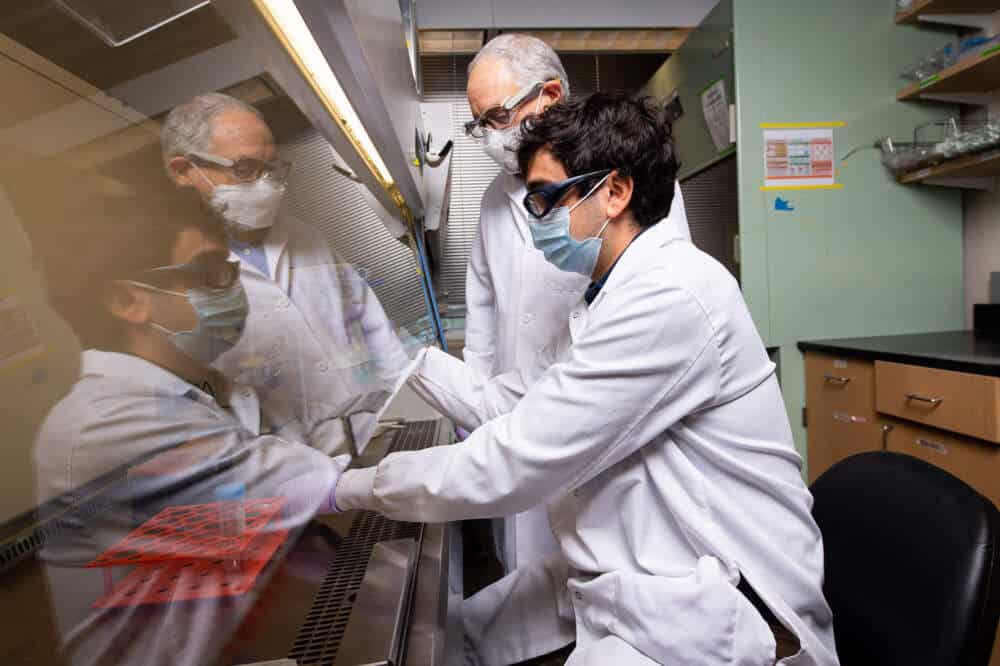
Massachusetts-based Tufts University has announced that it will be using a $2.1 million state grant to create an innovation hub that will help bring future foods such as cultivated meat to market. As reported by WBUR, the hub will open later this year on the university’s Medford campus. It will enable scientists, policymakers, and entrepreneurs to work together, accelerating the commercialization of innovative foods. The center will include an open-access …

Umami Bioworks Develops Animal-Free PDRN from Eel, Tuna, and Sturgeon Using Cell Cultivation
Umami Bioworks has announced the expansion of its cultivated marine cell platform to produce polydeoxyribonucleotide (PDRN) from a wider range of aquatic species, including Japanese eel, sturgeon, and bluefin tuna. The development builds on the company’s existing work with salmon-derived PDRN and extends its Marine Radiance™ portfolio for use in cosmetics. PDRN is a DNA-based compound used in regenerative skincare and has traditionally been extracted from salmon milt, or sperm, …