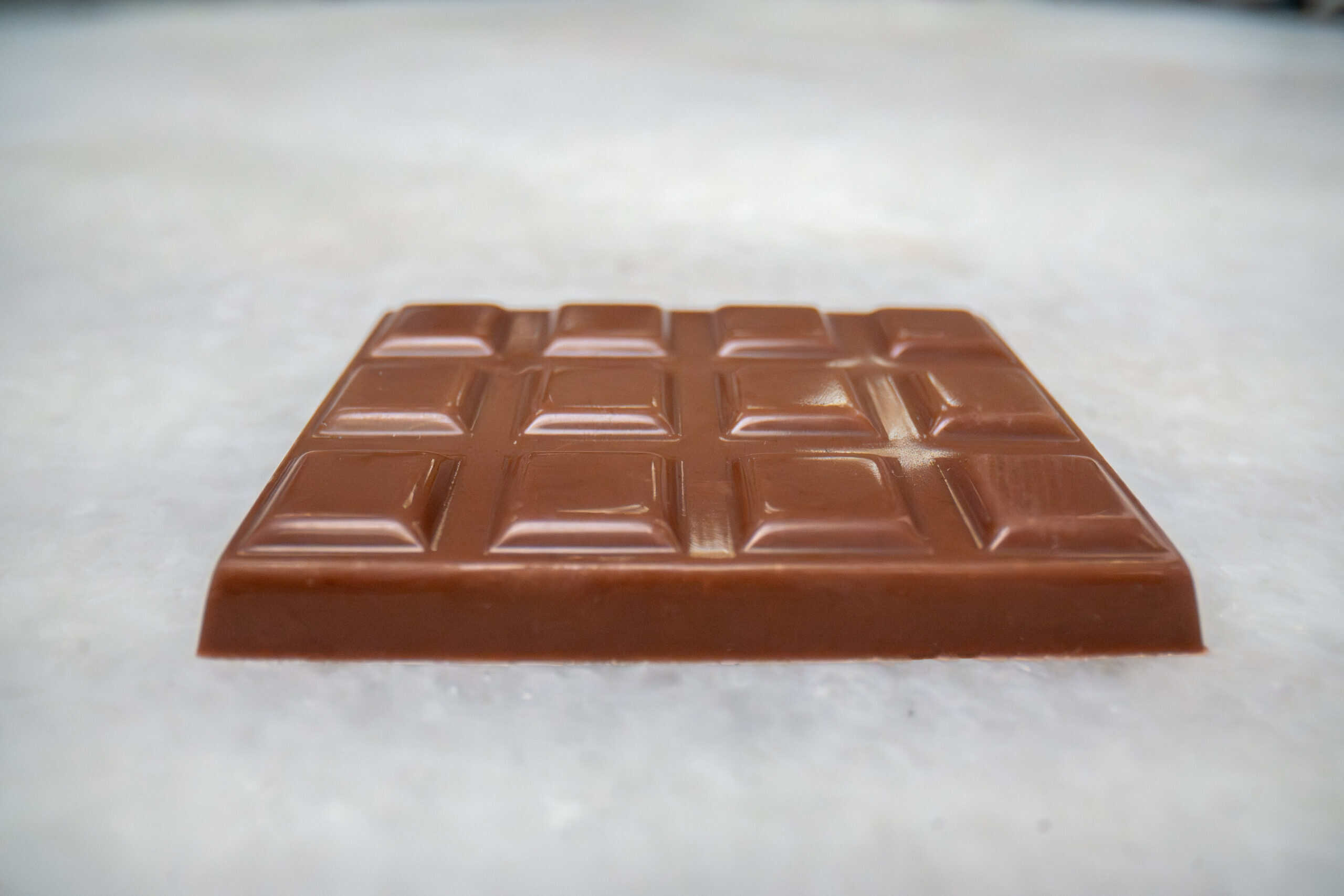
Israeli food technology company Celleste Bio has produced what it describes as the world’s first chocolate bars made with cell-cultured cocoa butter, developed in partnership with Mondelez International.
The bars, nearly a dozen in total, were formulated by Mondelez using cocoa butter produced through Celleste’s proprietary cell suspension culture technology. According to the company, the cultured cocoa butter is bio-identical to conventionally sourced material, matching the same texture, melt profile, and sensory characteristics.
Scaling cocoa production beyond agricultural limits
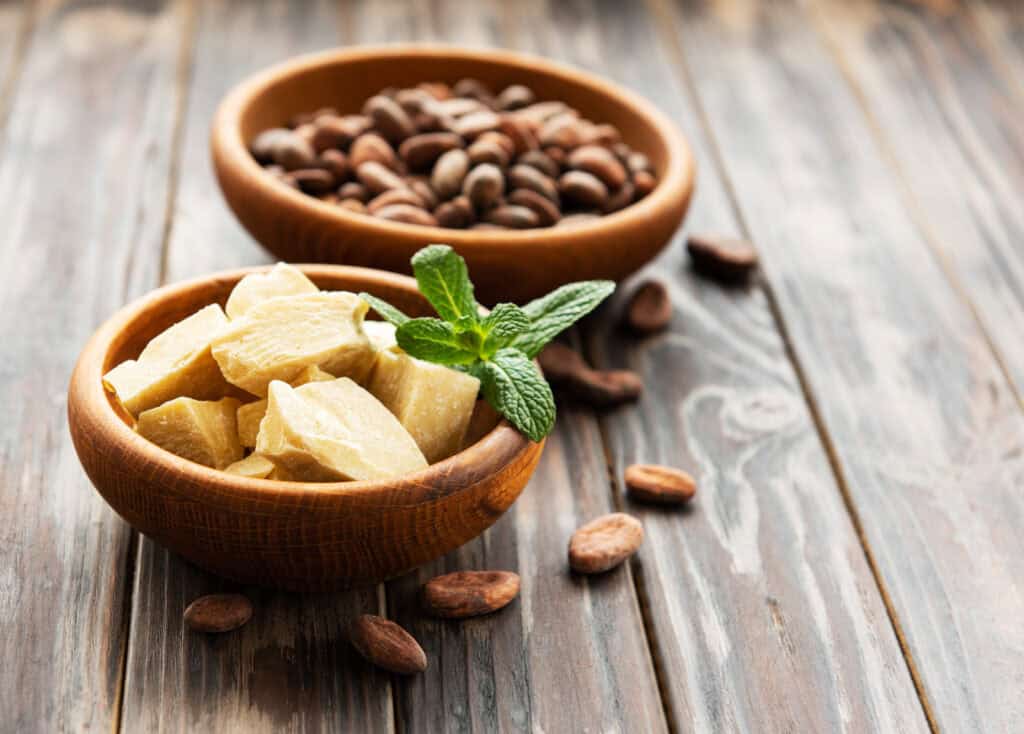
The company says it can produce enough cocoa butter for a chocolate bar from a single cocoa bean, and projects it will reach 1 ton of annual cocoa butter output from a 1,000-liter bioreactor within two years. By comparison, producing equivalent volumes through conventional agriculture would require roughly one hectare of cocoa trees.

Building resilience without replacing farmers
Chief Technical and Scientific Officer Hanne Volpin said the technology is intended to supplement, rather than replace, traditional cocoa farming. “Building a resilient supply chain means being able to produce at commercial volumes while offsetting disruptions caused by climate change, deforestation and resource scarcity,” Volpin said.
“We’ve curated a very robust bank of multiple cocoa bean varietals we can use to grow, test and scale material without ever having to cut down a single tree in the rainforest.”
The company also says it is developing AI-assisted computational modeling to allow manufacturers to customize cocoa butter properties, including melting point and flavour profile, to specific production requirements.
AI tools enable tailored ingredient functionality
Celleste CEO Michal Beressi Golomb said the company has now validated its ingredients as drop-in replacements and established an operational R&D pilot facility. She explained, “In three years we’ve made unprecedented progress to meet this formidable scientific challenge.”
“We’ve validated our ingredients as drop-in replacements, created an operational R&D pilot facility to scale up our volumes and now proven our cocoa butter performs identically to conventional cocoa, clearing the next phase to commercial scale.”
The cocoa supply chain has faced sustained pressure in recent years. West Africa, which accounts for around 70% of global cocoa production, has been affected by disease outbreaks, extreme weather, and price volatility, driving renewed interest in alternative sourcing technologies. Celleste is among a small number of companies, alongside others such as California Cultured, pursuing cell-based approaches to cocoa ingredient production.
The company is targeting market-ready production quantities within the next two years, though regulatory approvals for cell-cultured food ingredients will be required in most major markets before commercial sales can proceed.