A newly released report from the Illinois Alternative Protein Innovation Task Force outlines a multi-sector plan to expand the state’s role in alternative protein production, citing benefits across economic development, public health, and agricultural diversification. The report is the result of a two-year review led by the task force formed by Governor J.B. Pritzker in 2023, described as the first of its kind at the state level in the United States.
“Illinois has every ingredient needed to lead the future of food”
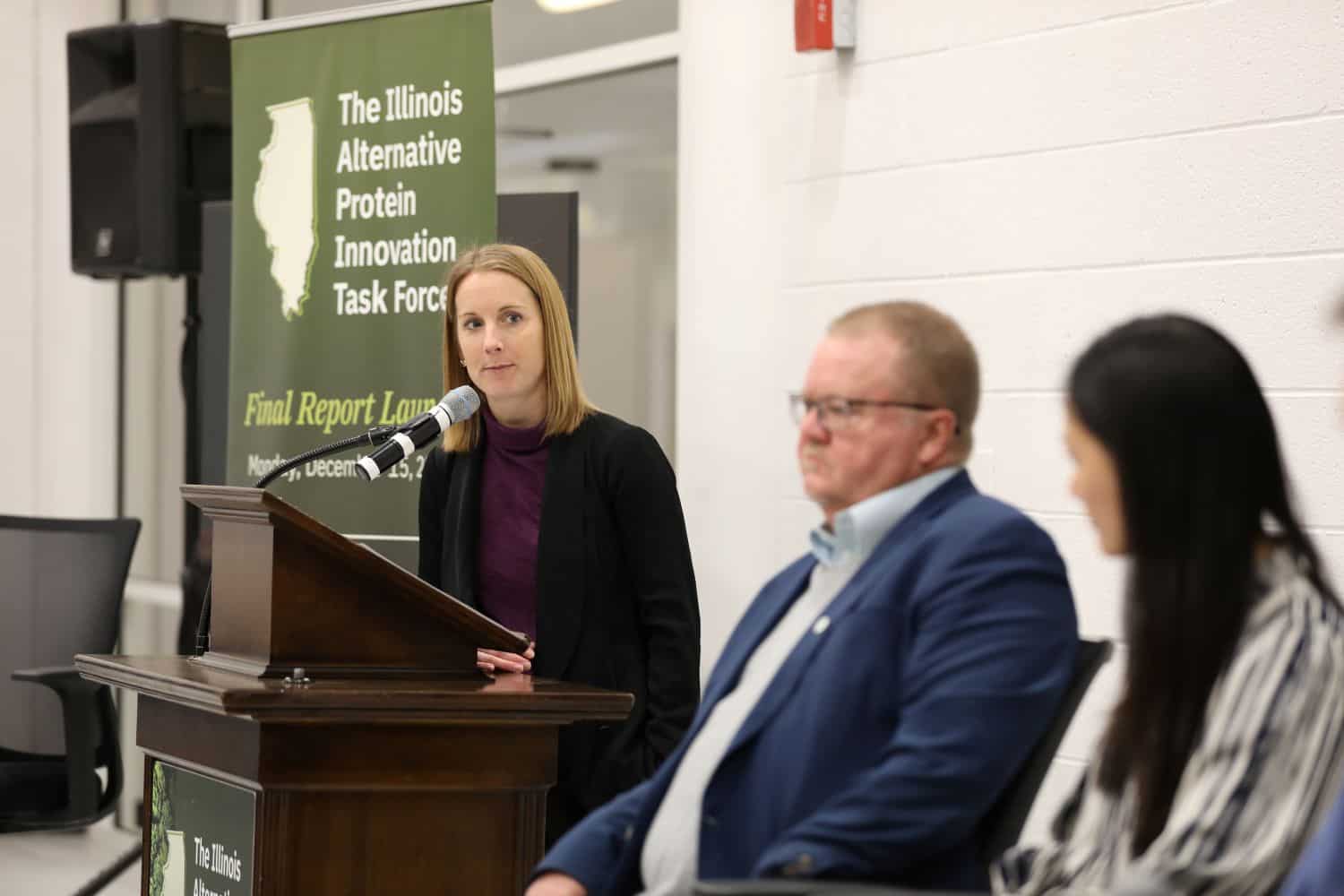
The report was launched at an event hosted by the University of Illinois Urbana-Champaign, with lawmakers, scientists, and business leaders in attendance. The findings present a framework to develop Illinois into a central hub for plant-based, cultivated, and fermentation-derived protein technologies. According to the report, Illinois currently hosts over 30 companies operating in this space, placing it among the top three US states for alternative protein production, behind California and New York.
Elvira de Mejía, Professor of Food Science at the University of Illinois Urbana-Champaign, stated, “Expanding alternative protein production in Illinois is ultimately an investment in public health and food security. These products offer nutritious, accessible options that can help families meet their dietary needs while reducing pressures on our food system.”

The task force identified Illinois’ existing agricultural and manufacturing assets as foundational to the sector’s potential growth. By leveraging local corn, soy, and wheat production, as well as regional fermentation capacity, the report suggests the state can support expanded biomanufacturing of alternative proteins. These developments are projected to create jobs, increase demand for local crops, and stabilize supply chains.
Among its recommendations, the report calls for targeted investment in research and development, workforce training, and infrastructure to enable scale-up of new food production technologies. It also addresses the need for regulatory clarity and market development support.
Opening new markets for Illinois-grown crops
Beth Conerty, Associate Director of Business Development at the Integrated Bioprocessing Research Laboratory and Regional Innovation Officer for the iFAB Tech Hub, noted the state’s comparative advantages: “Illinois has every ingredient needed to lead the future of food. This report shows how expanding our alternative protein capacity can complement our existing food and agriculture sectors, open new markets for Illinois-grown corn, soy, and wheat, and generate high-quality jobs.”

The report also outlines potential contributions to food system resilience. With increased domestic production, the task force argues, Illinois could reduce its exposure to disruptions associated with conventional meat supply chains. Several alternative protein products also offer nutritional profiles free of cholesterol and high in fiber, contributing to broader public health goals.
Growing global market for fermentation-derived proteins
Economic and environmental implications are also addressed. The task force projects that Illinois could be positioned to lead in the fermentation-derived protein market, which is estimated to reach a global value of $150 billion annually by 2050. In addition, the report discusses circular economy opportunities, such as utilizing fermentation byproducts in agricultural applications.
Illinois State Senator Mattie Hunter (D-Chicago), who co-chaired the task force, linked the effort to rising food prices and supply chain concerns: “As residents are facing rising grocery costs or worrying about where their next meal is coming from, it was imperative that my colleagues and I explored new options and industries that provide viable, long-term solutions.”

“Illinois is lapping the rest of the country”
Pepin Andrew Tuma of The Good Food Institute framed the state’s actions within a national context: “Alternative proteins are one of the most powerful tools we have to strengthen America’s food security, expand opportunities, and promote both local and national economic resilience — and Illinois is lapping the rest of the country as real leaders in this space.”
The full report includes recommendations to expand capital access for startups, improve technical training programs, and ensure regulatory pathways are aligned with emerging food technologies. It also points to the potential role of the Illinois Fermentation and Agriculture Biomanufacturing (iFAB) Tech Hub, based in central Illinois, in advancing precision fermentation as part of a broader biomanufacturing cluster.