Sacramento-based food-tech company California Cultured is collaborating with researchers at the University of California, Davis, to develop commercially viable cocoa produced via plant cell culture, with commercial powder production targeted for early 2027.
The project, funded by grants from the National Science Foundation and BioMADE, focuses on reducing the cost of growing cacao cells in bioreactors. UC Davis scientists will work alongside California Cultured to optimize bioreactor design, improve cleaning and sterilization protocols, and evaluate commercial scalability.
Why cacao is under pressure
Conventional cocoa supply is under serious strain. Climate-related crop failures in Ivory Coast, the world’s largest cocoa-producing country, have resulted in lower yields, dying trees, and in some cases total harvest loss. A 2025 study from Wageningen University projects that up to 50% of current cocoa-growing areas in Ivory Coast could become unsuitable for cultivation by 2060 due to shifting temperature and rainfall patterns.
The market consequences are significant. U.S. chocolate sales currently stand at $21.4 billion annually, according to a report from the National Confectioners Association, with projections placing that figure at $37.6 billion by 2029.
Beyond climate risk, conventional cacao farming carries well-documented ethical concerns, including deforestation and child labor, issues that California Cultured’s vice president of science and technology Steve Lang has cited as additional drivers for the cell-based approach.
How plant cell culture works
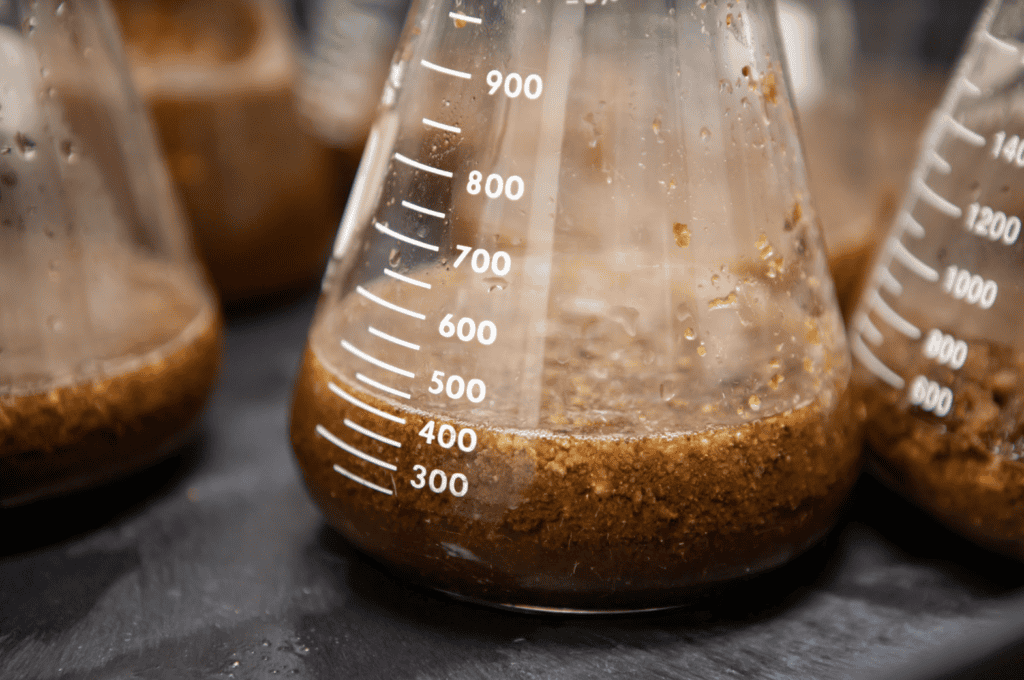
The technology at the center of this collaboration, plant cell suspension culture, uses dedifferentiated plant cells grown in liquid media containing sucrose, salts, vitamins, and plant growth hormones. The cells do not require sunlight and can be propagated in sterile, controlled environments, insulating them from drought, pests, heavy metals, and other agricultural risks.
Karen McDonald, distinguished professor emerita in UC Davis’s Department of Chemical Engineering, has described plant cell bioreactor culture as a potentially versatile production platform for cellular agriculture, noting that the technology can generate pigments, flavors, sweeteners, and proteins chemically identical to those found in conventionally grown plants.
California Cultured has already demonstrated proof of concept for growing Theobroma cacao cells in novel large-scale 1,600-litre bioreactors. A key barrier the partnership is now addressing is cost: traditional bioreactor equipment is prohibitively expensive for food applications, and the company has developed lower-cost alternative designs suited specifically to plant cell cultivation.
A first purchase order in sight
Lang said the company anticipates beginning commercial cocoa powder production in early 2027 to fulfill an existing purchase order from a chocolate company, though the buyer has not been named publicly.
California Cultured is among a small number of companies globally developing food ingredients through plant cell culture. The broader category, which also encompasses coffee, berries, and other crops, has attracted growing interest as supply chain volatility in agricultural commodities intensifies.