Atlantic Fish Co., a startup focused on cellular agriculture in the seafood sector, has been awarded a $305,000 Small Business Innovation Research (SBIR) grant from the National Science Foundation (NSF). The funding will support the company’s efforts to scale up its production of cultivated white fish, specifically targeting black sea bass.
The company’s work centers on developing cultivated seafood that replicates the taste, texture, and nutritional profile of wild-caught fish, a step toward addressing challenges in global seafood supply chains and sustainability.
A vote of confidence from NSF
Doug Grant, Co-Founder and CEO of Atlantic Fish Co., commented, “This NSF award is more than just capital—it’s validation from rigorous scientific reviewers. It represents the culmination of over a year of foundational R&D and proposal development.”
The $305,000 grant brings Atlantic Fish Co.’s total non-dilutive funding to over $700,000. The company had previously received SBIR support from the US Department of Agriculture. This funding is particularly important for the company, as it navigates the capital-intensive early stages of developing deep-tech solutions.
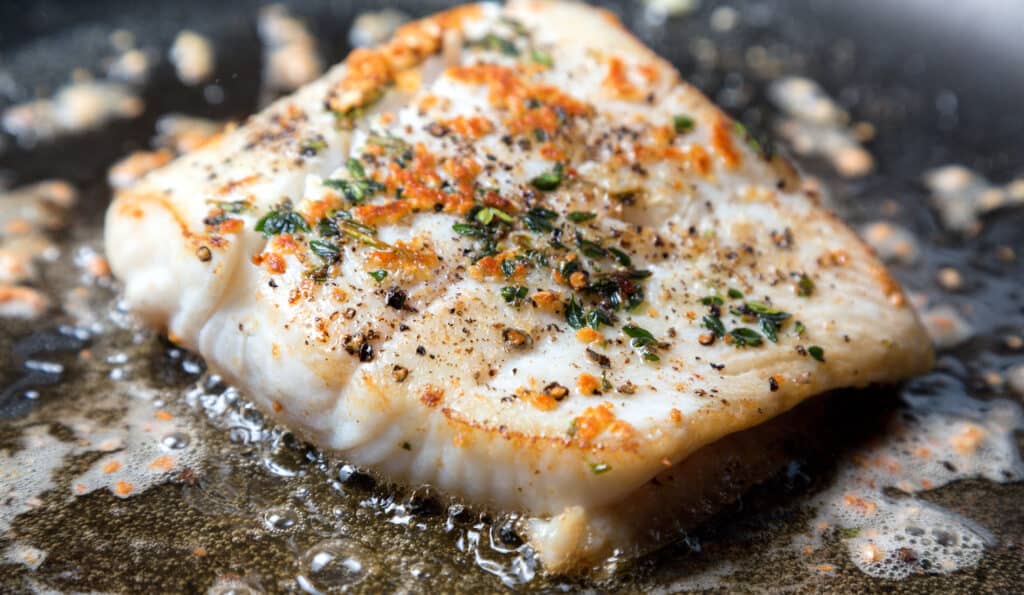
Atlantic Fish Co. is focused on advancing sustainable seafood production through the use of cellular agriculture, which allows for fish fillets to be grown directly from fish cells without the need for traditional fishing. The company’s approach is designed to address concerns over overfishing and the environmental impact of seafood production.
Tackling the seafood crisis
In a post on social media, Atlantic Fish Co. detailed some of the broader issues driving its work: “90% of ocean fisheries are overfished or harvested at max capacity, and 80% of seafood is imported, exposing us to fragile global supply chains. Conventional seafood often contains microplastics, mercury, and antibiotics.”
The company’s earlier work included the development of cell lines for species like halibut, with the unveiling of a cultivated black sea bass prototype last year.
Grant further expressed his appreciation for the NSF’s support: “I’m incredibly proud of the effort by our team to secure this funding, which will catalyze our mission to scale seafood production. And thank you to the NSF for making a bold investment in protein innovation.”