

Ajinomoto Finds Plant-Based Fix for One of Cultivated Meat’s Biggest Cost Problems
Japanese food and amino acid company Ajinomoto Co. has developed a technology that could help lower one of the biggest cost barriers in cultivated meat production, by replacing an expensive ingredient used in the cell-growing process with a cheaper, plant-derived compound. Growing meat from animal cells requires a nutrient-rich liquid called culture media, which feeds and supports cell growth throughout production. One of the most expensive ingredients in that liquid …

EU Project Fabulose Scales Biotech-Derived Cellulose into Circular Vegan Leather Alternatives
Fabulose is an EU funded project coordinated by the German Institutes of Textile and Fiber Research (DITF). Its consortium consists of leading research institutes, biotech innovators, and industry stakeholders who aim to create high-performance, biobased and recyclable leather-like fabrics, using efficient biotech production routes for bacterial cellulose, cyanophycin and bacterial pigments. Current leather alternatives are either made from petrol-based plastics and non-recyclable, or they are (partly) biobased, but difficult to …
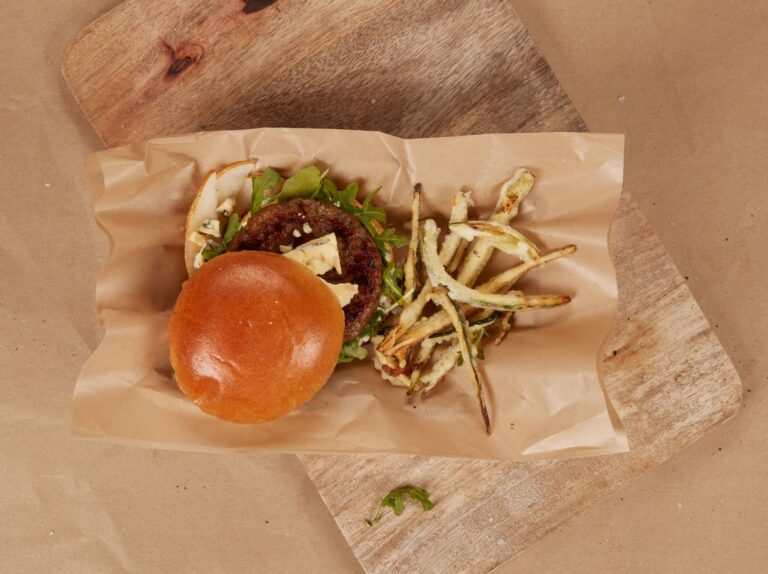
Study: Altered Levels of Known Allergens in Cultured Primary Bovine Myoblasts for Cultivated Meat
As cultured meat moves toward commercialization, people want to understand how it impacts health compared to conventional animal meat. So, researchers publishing in ACS’ Journal of Agricultural and Food Chemistry conducted an initial food safety study to identify potential allergens in cultured beef cells. They report mixed hazard results: Cultured cells contained relatively fewer traditional protein allergens than regular steak but provoked stronger immune reactions in blood samples from people with an …
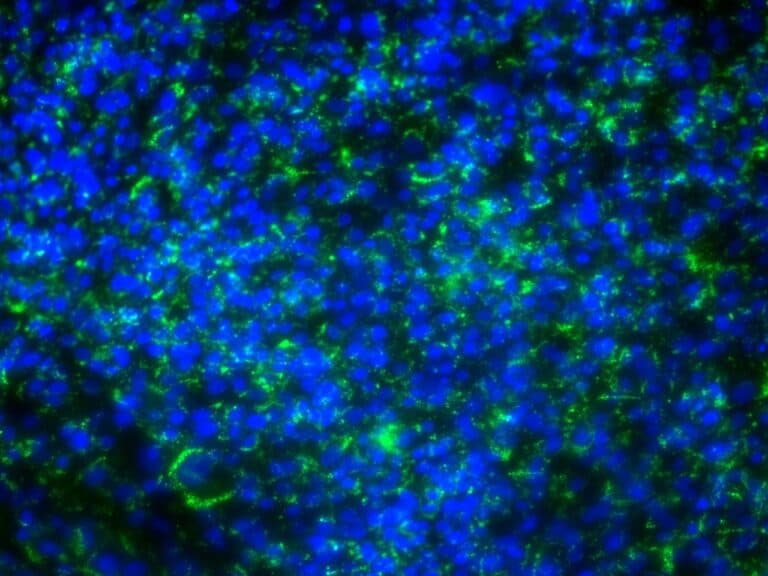
CellTec Systems Unveils New Research to Optimize Flavor and Nutrition in Cultivated Meat Production
The industrial scaling of cultivated meat faces a key challenge: the economical production of tasty and nutritious cell mass, particularly in terms of quantity and quality. CellTec Systems is now presenting research results that point to new approaches. By exploiting the natural plasticity of primary cells, it is possible to produce both the nutritional profile and the flavor-giving fat components efficiently and without genetic modification, the company states. Muscle Similarity …
New GFI Report Identifies Critical Skill Gaps in India’s Plant-Based and Cultivated Meat Value Chains
The Good Food Institute India (GFI India) has released a comprehensive analysis of India’s smart protein talent landscape, revealing a mismatch between the country’s educational output and the industry’s current and future workforce needs. Despite India producing nearly 250,000 graduates annually in relevant disciplines, the smart protein sector continues to face a shortage of job-ready, sector-specific talent, particularly in high-growth areas such as bioprocessing, cell culture, extrusion technologies, analytical methods, …
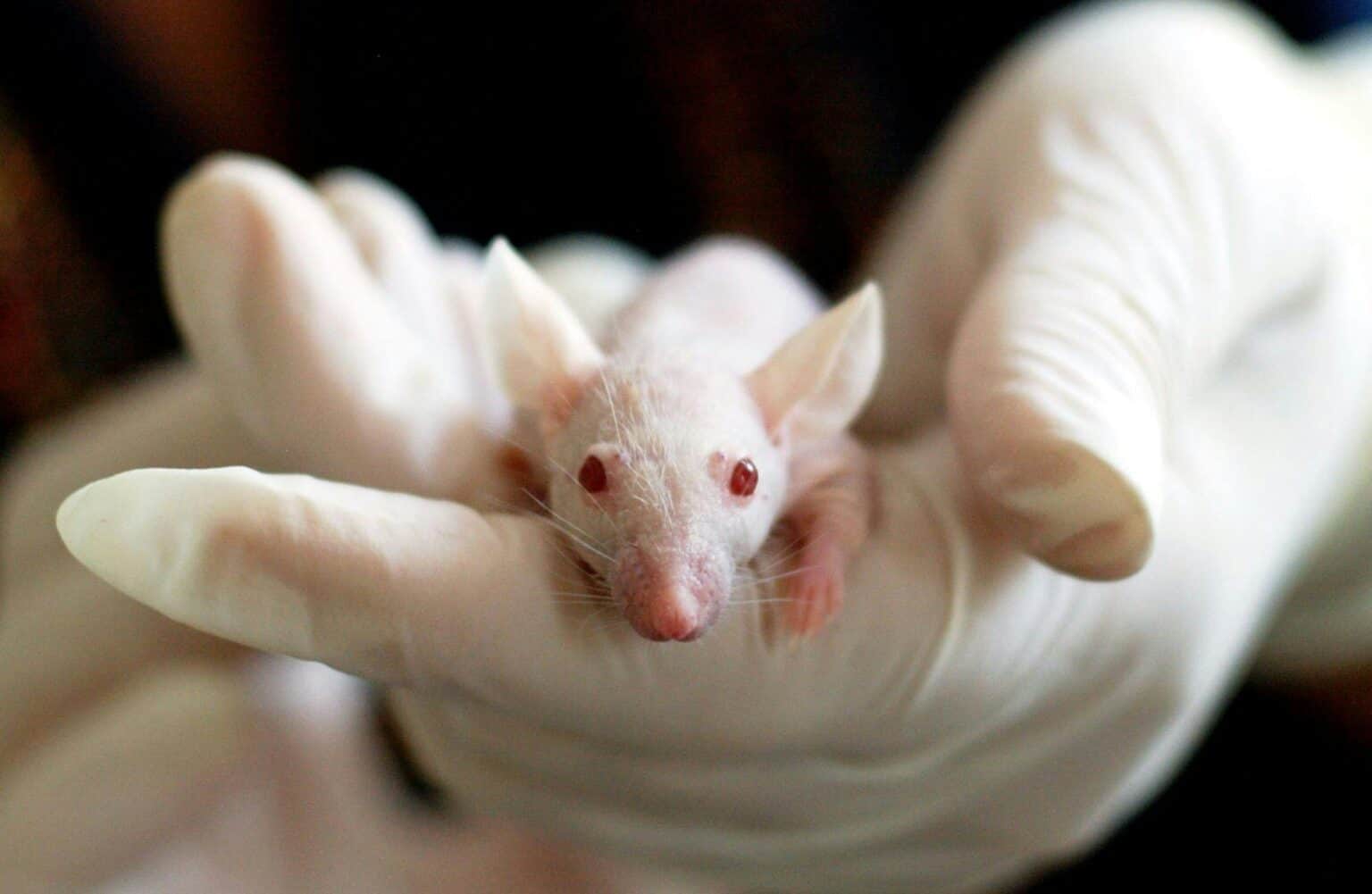
Review Says Animal Testing May Not Be Appropriate for Evaluating Safety of Cultivated Foods
The APAC Regulatory Coordination Forum has published a review paper evaluating whether whole-food animal toxicological studies are appropriate for testing the safety of cultivated foods and food ingredients. Scientists have reportedly raised concerns about the reliability, cost, time-intensiveness, and ethics surrounding long-term, whole-food animal feeding studies. Alternative, non-animal-based testing methods are claimed to provide more relevant, specific, timely, and humane solutions for safety evaluation. The review paper brings together insights …

Webtalk: Transforming Food Systems – Insights and Roadmap for 2026 | update #19
The international business webtalk series ‘update’ discusses the most pressing issues of the ongoing protein transition. Based on the latest news, data, and facts, the future of the industry will be put forward and discussed with key market players in this series of talks. Transforming Food Systems – Insights and Roadmap for 2026 December 11th, 10:30 AM CHICAGO | 5:30 PM BERLIN | 4:30 PM LONDON Business models are evolving, political pressure is intensifying, …
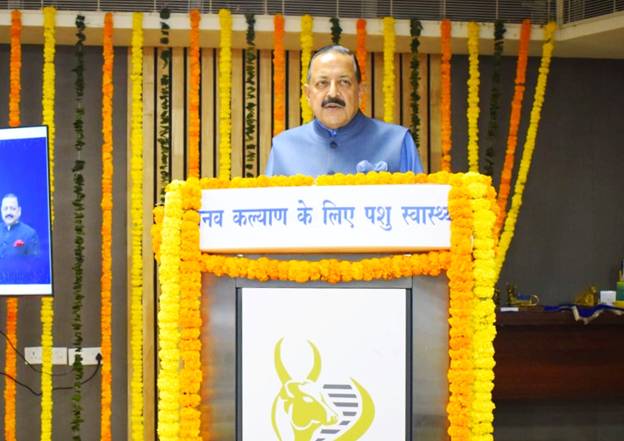
India Opens State-of-the-Art Animal Stem Cell Biobank That Could Benefit Cultivated Meat Producers
A state-of-the-art Animal Stem Cell Biobank and Animal Stem Cell Laboratory has been opened at the National Institute of Animal Biotechnology (NIAB) in Hyderabad, India. Described as the first of its kind in the country, the biobank was inaugurated by Union Minister of State Dr. Jitendra Singh earlier this month. The facility spans 9,300 sq ft and was constructed at a cost of ₹1.85 crore (around $213,000). The site is …
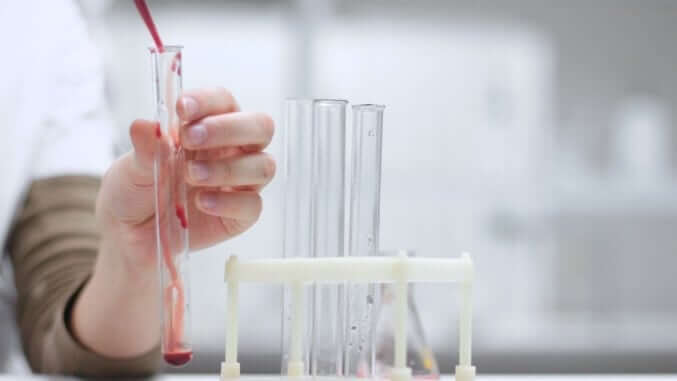
Te Protejo Reveals Interactive Map of Non-Animal Testing Labs Across Latin America
Te Protejo, an organization focused on promoting cruelty-free science, has developed an interactive map that outlines the growing network of laboratories in Latin America utilizing alternative methods to animal testing. The map serves as a comprehensive resource, showcasing over 20 laboratories across the region that are advancing non-animal research methods, primarily in sectors such as biomedicine, cosmetics, and agroindustry. The map is a result of extensive research conducted by Te …
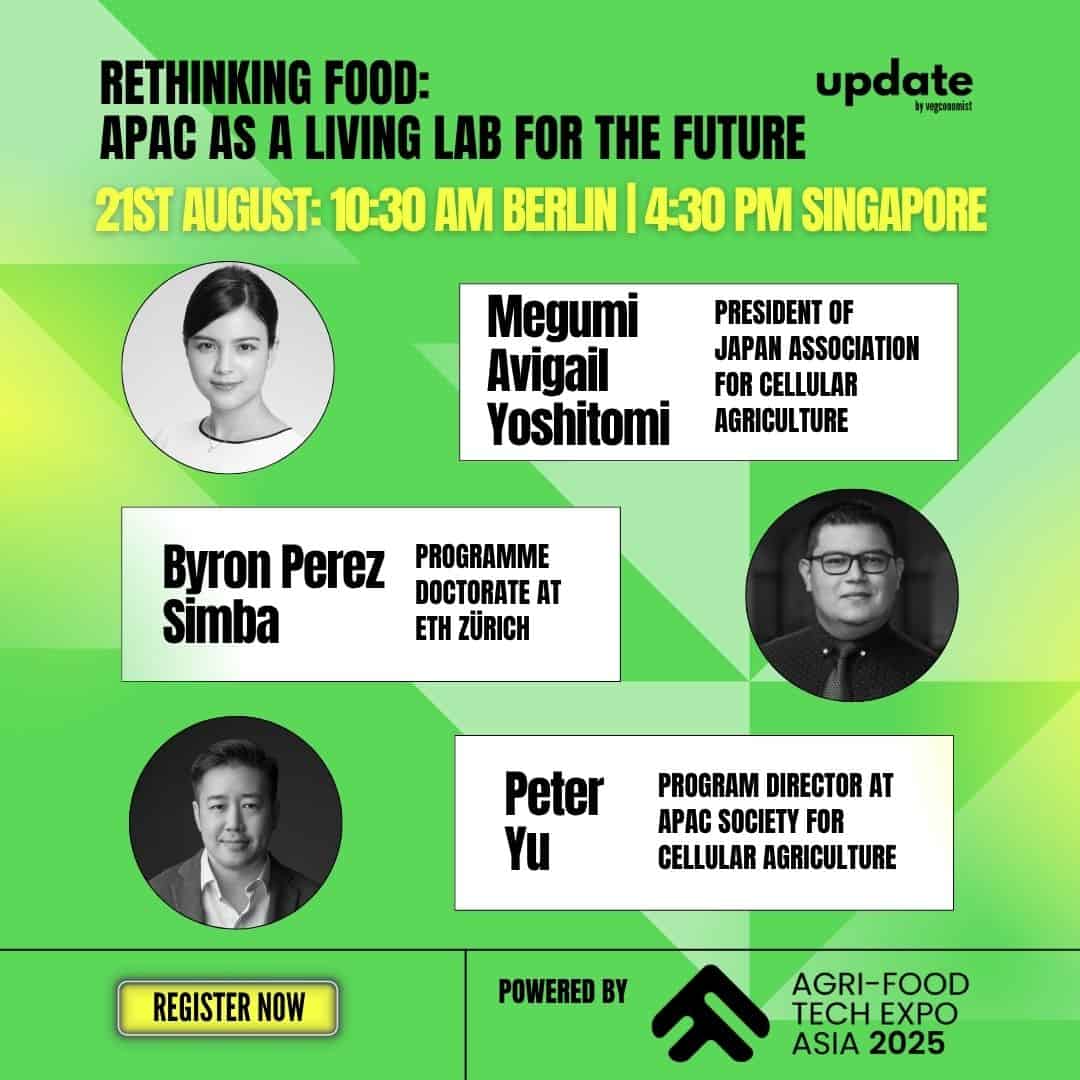
Webtalk: Rethinking Food – APAC as a Living Lab for the Future | update #15
The international business webtalk series ‘update’ discusses the most pressing issues of the ongoing protein transition. Based on the latest news, data, and facts, the future of the industry will be put forward and discussed with key market players in this series of talks. Rethinking Food – Singapore as a Living Lab for the Future August 21st, 10:30 AM Berlin | 4:30 PM Singapore | 5:30 PM Tokyo Alternative Protein and Novel food offer a …