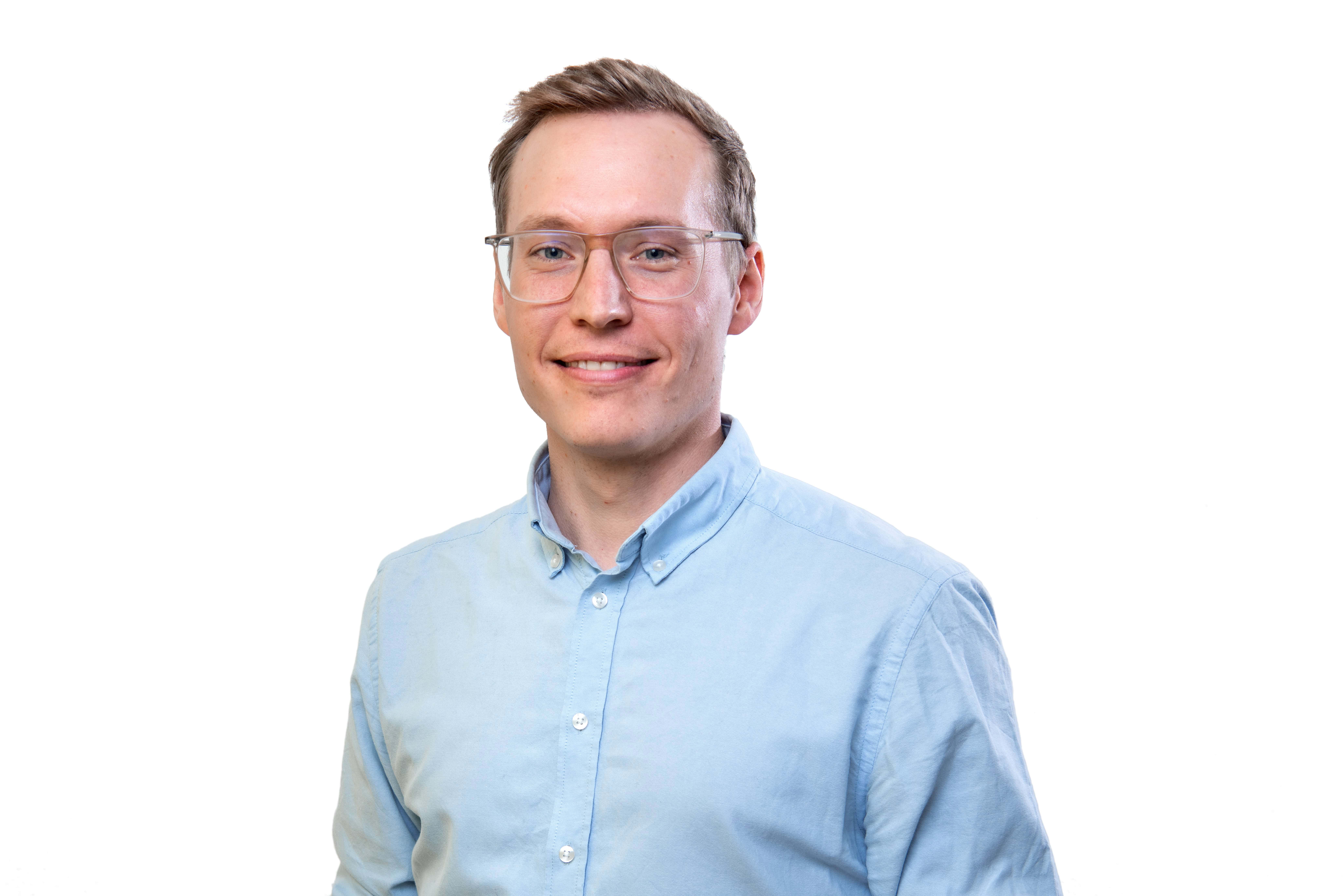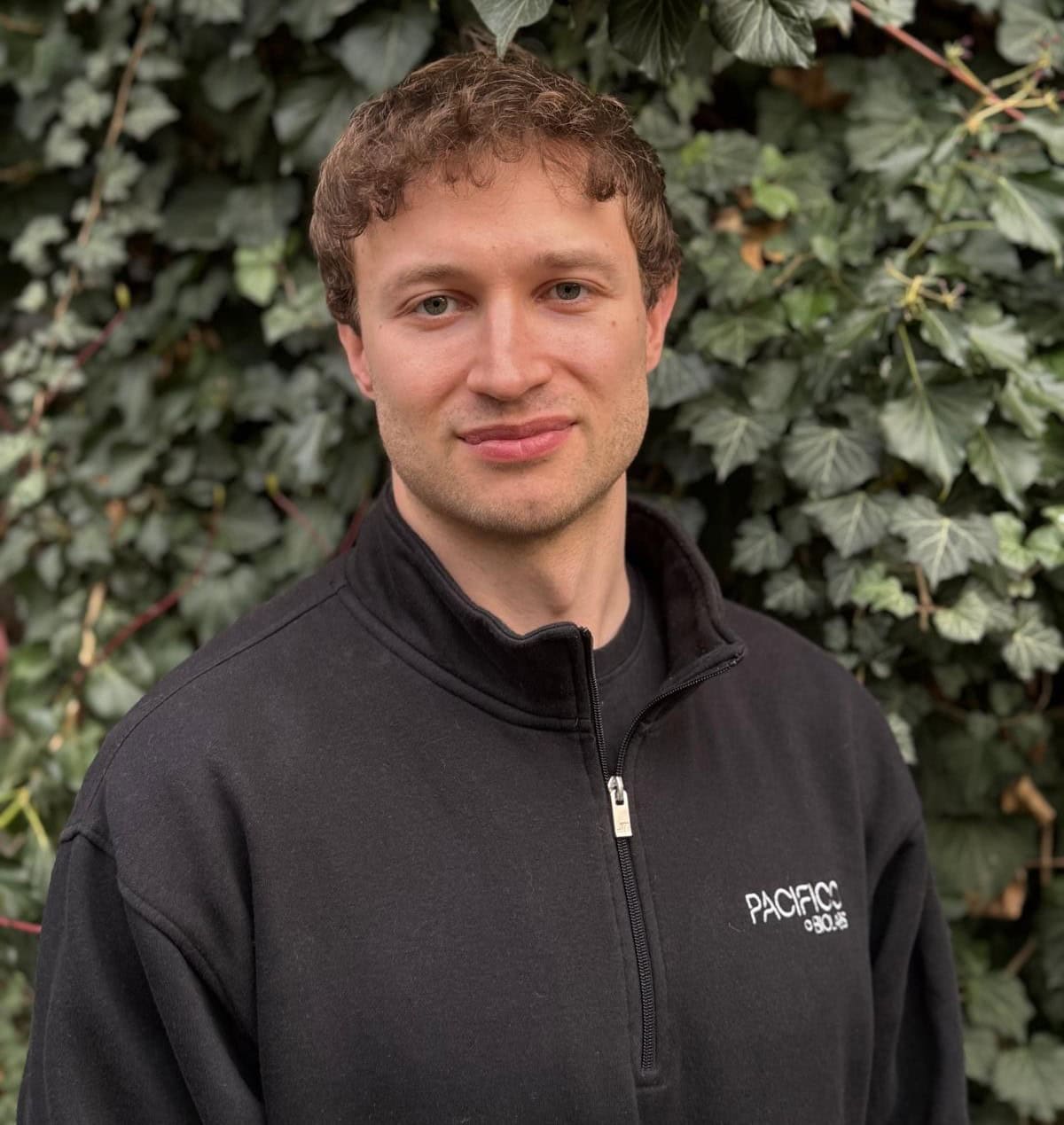
Zac Austin is co-founder and CEO of Pacifico Biolabs. After graduating from the University of Cambridge, he began his career at McKinsey in London, working as a consultant across a range of industries. In 2020, he joined the UK Government’s Covid Task Force as Assistant Director in the Cabinet Office, focusing on national healthcare. The following year, he moved to Berlin to take on the role of Head of Special Projects at Razor Group, building and optimising operational teams and functions, before co-founding Pacifico Biolabs with Washington Logroño in November 2022.
Pacifico Biolabs is a German mycelium fermentation company that produces alternative protein using existing brewery infrastructure rather than purpose-built bioreactors. The company recently closed a €7 million Series A round to scale production and support a planned retail launch later this year.
In this interview, we discuss how Pacifico arrived at its brewery-based production model, the technical and operational work involved in adapting brewing infrastructure for mycelium fermentation, and how this approach is shaping the company’s path toward cost parity with conventional meat.
Can you take us back to the beginning — what problem were you trying to solve when you founded Pacifico in 2022?
From day one, we were focused on one thing: scalable, high-quality, and genuinely cheap protein. When we founded Pacifico in November 2022, the conversations around biotech protein kept hitting the same wall, which was that the costs and infrastructure behind biomanufacturing just weren’t compatible with producing food that could actually compete with meat on price. That’s the problem we set out to solve, and it led us pretty quickly to the brewery model.
How did the brewery infrastructure idea come about?
It was a pretty rigorous process; we essentially mapped every possible solution for growing cheap mycelium, from conventional submerged fermentation in a range of infrastructures, all the way to solid state approaches. For each option we analysed in detail the process (costs, reliability, quality) and scalability (technical feasibility, infrastructure availability, and CapEx). We then did a deep-dive on a couple of potentially viable options before coming to the conclusion that our current approach with submerged fermentation in brewery infrastructure is truly the only viable path to transforming protein production.
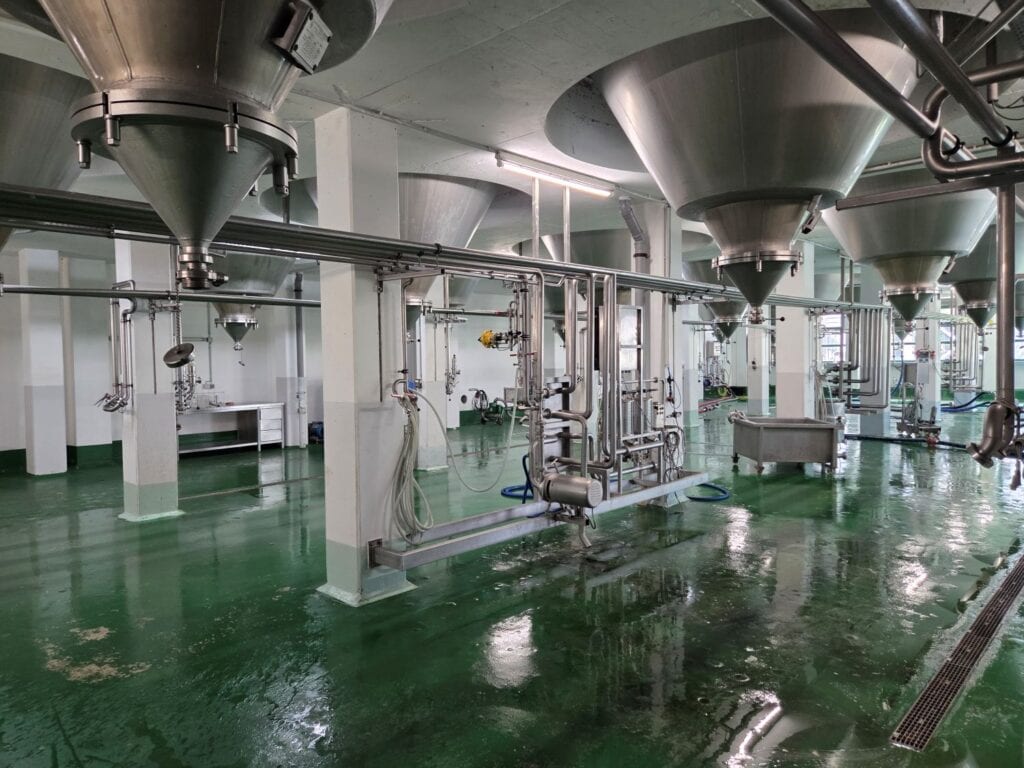
What does the process actually look like inside a brewery tank — how does mycelium fermentation work in that environment?
I’ll have to be a little vague on the details, but essentially, we fill the tank with a nutritious broth, add our fungi strain, and then create the conditions for the fungi to grow. The fermentation itself works pretty differently from beer, and our downstream process is completely different too. We’re not selling our mycelium in bottles, so we’ve installed additional processing equipment on site for harvesting and packaging.
What technical challenges came with adapting standard brewing vessels for your process?
We’ve had to solve a lot of them! Beer brewing and mycelium fermentation can look similar from the outside, but the fermentation works quite differently, and optimising fungal growth in a brewery setting was a serious challenge. Our downstream process is also nothing like beer, so we’ve had to install new equipment on-site for harvesting and packaging the product. It took real work, but it’s something the team have cracked.
How do agreements with brewery partners typically work, and how do you manage capacity risk?
We have one main brewery production site, where we essentially make use of tanks that aren’t being used for beer. Capacity isn’t really a concern for us. Most breweries have significantly more tank capacity than you’d find even at large biomanufacturing sites, and with declining beer consumption across Europe there’s a lot of spare capacity out there, including entirely closed sites.
As beer consumption declines across Europe, how big is the available infrastructure opportunity, and are you already in conversations with multiple breweries?
The opportunity is huge. Beer consumption has been declining for years, which means a lot of sites are sitting on spare capacity, and plenty of others have closed entirely. That’s a vast amount of fermentation infrastructure that could be put to work producing protein, and Europe has spent decades building it out. So yes, we’re in conversations beyond our main production site, and we see access to this kind of infrastructure becoming increasingly important as the industry matures.
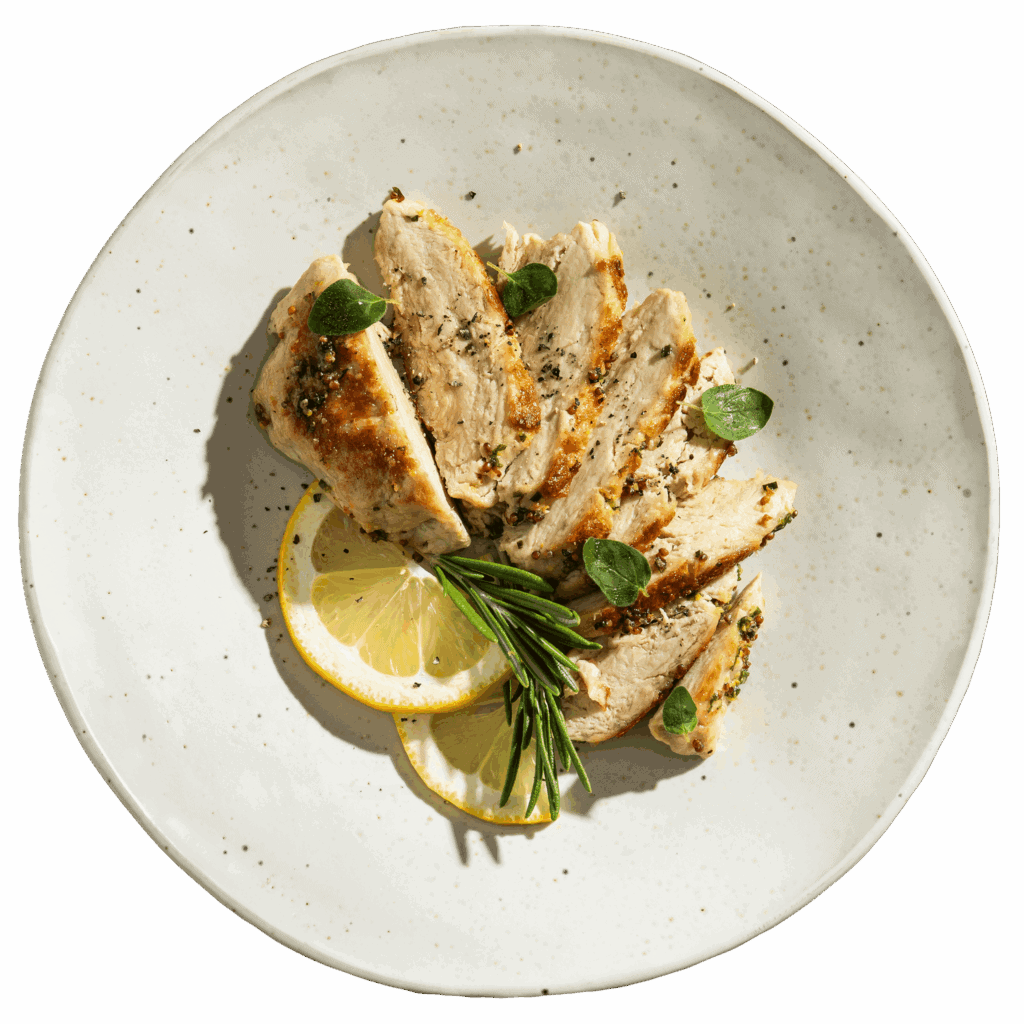
In theory, we could produce enough mycelium to replace all European chicken consumption using only idle European brewery capacity.
How does producing through existing infrastructure affect your cost structure compared to competitors building purpose-built facilities?
It’s a fundamentally different cost structure! We cut the CapEx need for our production by over 95% vs. what we’ve seen from competitors. The big driver of this is not needing to build or purchase an entire production site. We also see a significant COGS advantage vs. standard submerged fermentation setups.
Where does cost parity with conventional meat currently stand for you, and what does the path to getting there look like?
Cost parity has been a key goal for us from the beginning. We can now achieve parity for chicken breast production, and we are pushing to take our costs well below that. The main driver from here is volume, and as this increases, we expect our costs to drop well below any meat benchmark.