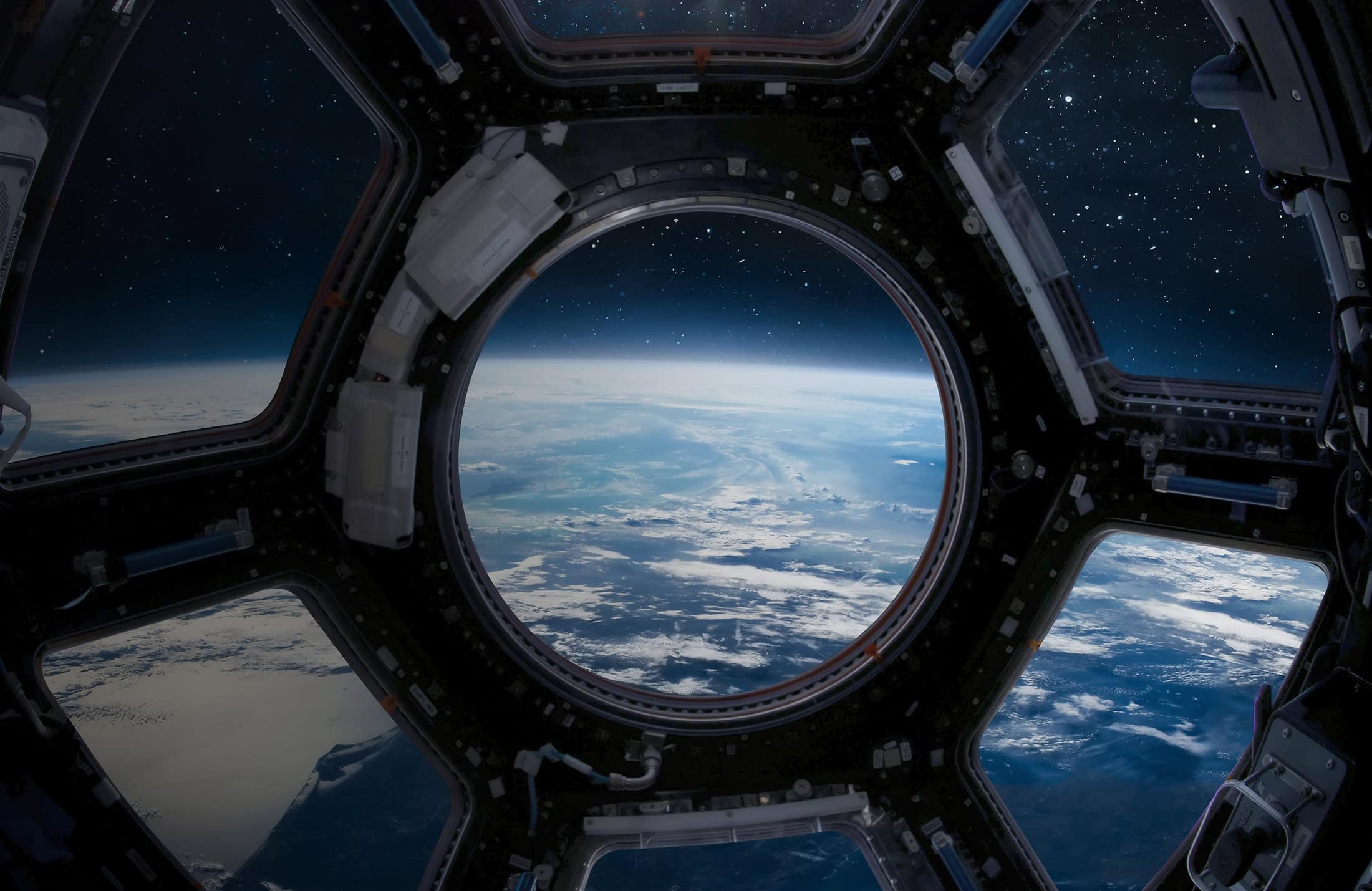
Solar Foods has entered into a partnership with OHB System AG, a European space technology company, to develop a pilot project for testing its Solein® gas fermentation technology in space. The project, supported by the European Space Agency (ESA) under its Terrae Novae Exploration Programme, focuses on adapting the Solein production system for microgravity environments, such as the International Space Station (ISS).
“This would be the first time we will be able to verify that our technology works in space”
The project, named HOBI-WAN (Hydrogen Oxidizing Bacteria In Weightlessness As a source of Nutrition), will be conducted in two phases. The first phase will involve creating a science model on Earth to explore foundational aspects of Solein production. This will provide critical data to inform the development of the flight-ready model, which will later be tested in space. The goal is to verify whether Solein’s microbial growth can be replicated in space, as well as to refine the gas fermentation technology required for space environments.
Navigating the challenges of microgravity
“This would be the first time we will be able to verify that our technology works in space. The behavior of gases and liquids in microgravity is vastly different due to lack of buoyancy, which can drastically affect the transport of nutrients and gases for Solein microbes,” stated Arttu Luukanen, Senior Vice President of Space & Defence at Solar Foods.
The collaboration with OHB, which has extensive experience with space-based experiments, will be key in ensuring that the system is safe and effective for use in orbit. OHB has been operating scientific payloads aboard the ISS for over 20 years. “Our deep understanding of the ISS environment makes us uniquely positioned to bring Solar Foods’ Solein technology into orbit,” said Jürgen Kempf, HOBI-WAN Project Manager at OHB.
Proving its potential in space
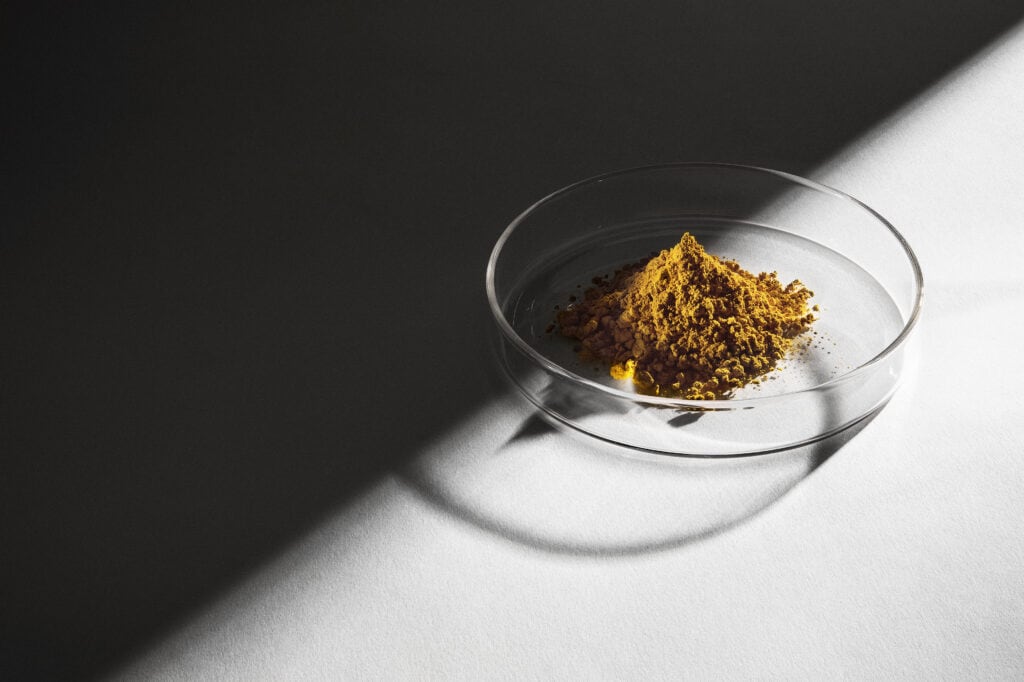
Solein is a protein produced through a fermentation process that uses air and electricity, bypassing traditional agricultural methods. It is seen as a potential solution to provide a sustainable protein source for space missions, reducing reliance on resupplies from Earth. The technology could also help mitigate food and water scarcity in space, addressing a key challenge for long-duration missions.
Last year, the company won the international category of NASA’s and the Canadian Space Agency’s Deep Space Food Challenge, which further cemented its role in future space exploration. The company is also looking to integrate Solein with life support systems on future space stations, as well as potential habitats on the Moon and Mars.
Looking ahead, Solar Foods has set a goal to have Solein become the primary protein source for space explorers by 2035. “This project is just the beginning. We are working towards reaching operational capability: being able to produce Solein in a range of production scales in space,” Luukanen stated.