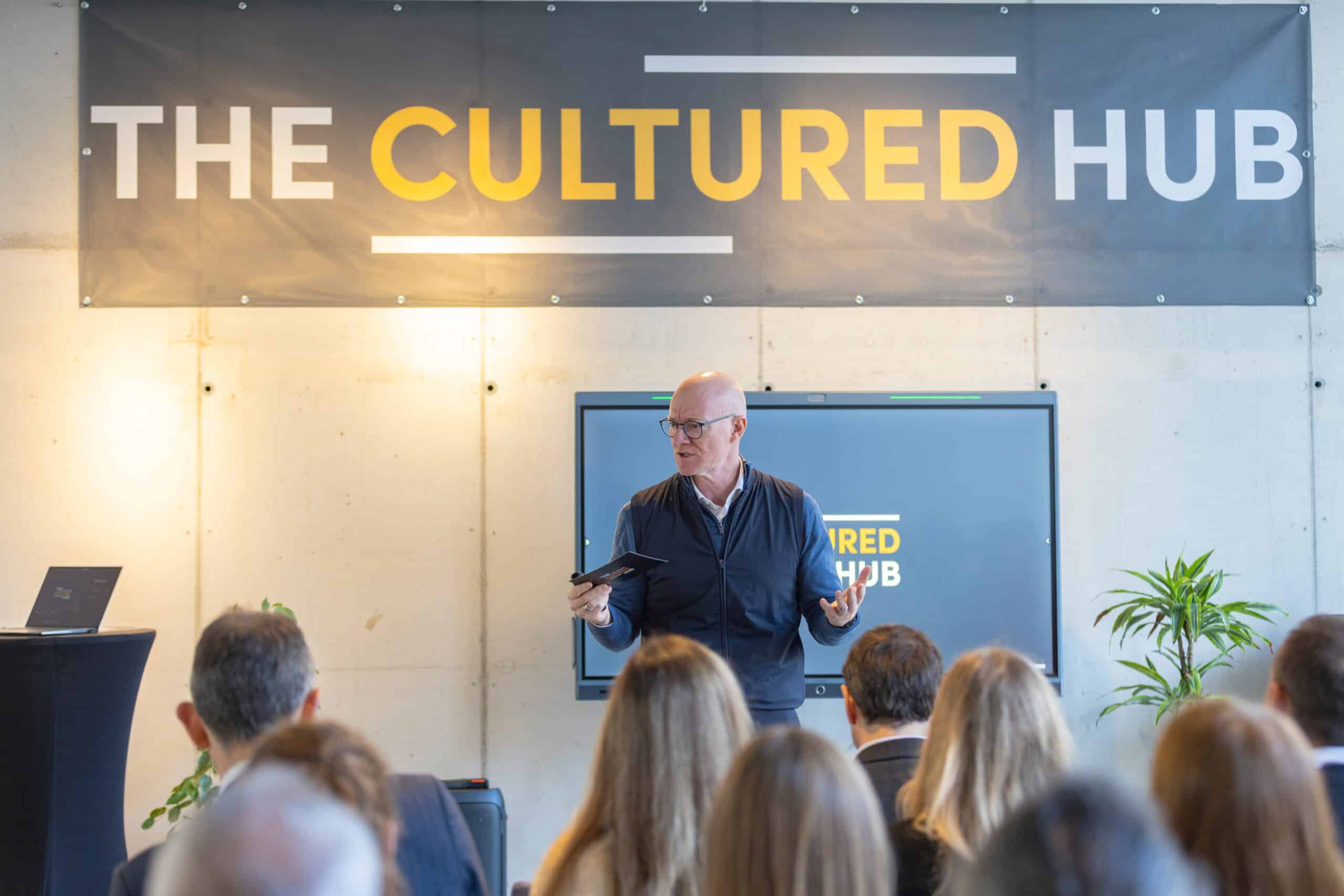
The Cultured Hub, a joint venture between Migros, Givaudan, and Bühler Group, has expanded its operations to include plant cell culturing technologies, widening its focus beyond cultivated meat to alternative ingredient production. The development was formally introduced at the inaugural Cultured Plant Cell Event 2025, held at the company’s facility in Kemptthal.
“Many of the same challenges we see in cultivated meat…also apply here”
Initially established to support cellular agriculture and cultivated meat startups, The Cultured Hub now provides infrastructure and process development for the cultivation of plant cells intended for use in food and ingredient applications. The expansion comes amid ongoing volatility in global agricultural supply chains for high-value crops such as cocoa, coffee, and citrus.
Ian Roberts, Chief Technology Officer at Bühler Group, noted the shared technical demands across cellular agriculture applications: “Many of the same challenges we see in cultivated meat – the need to scale, reduce cost, and ensure quality at industrial levels – also apply here.”
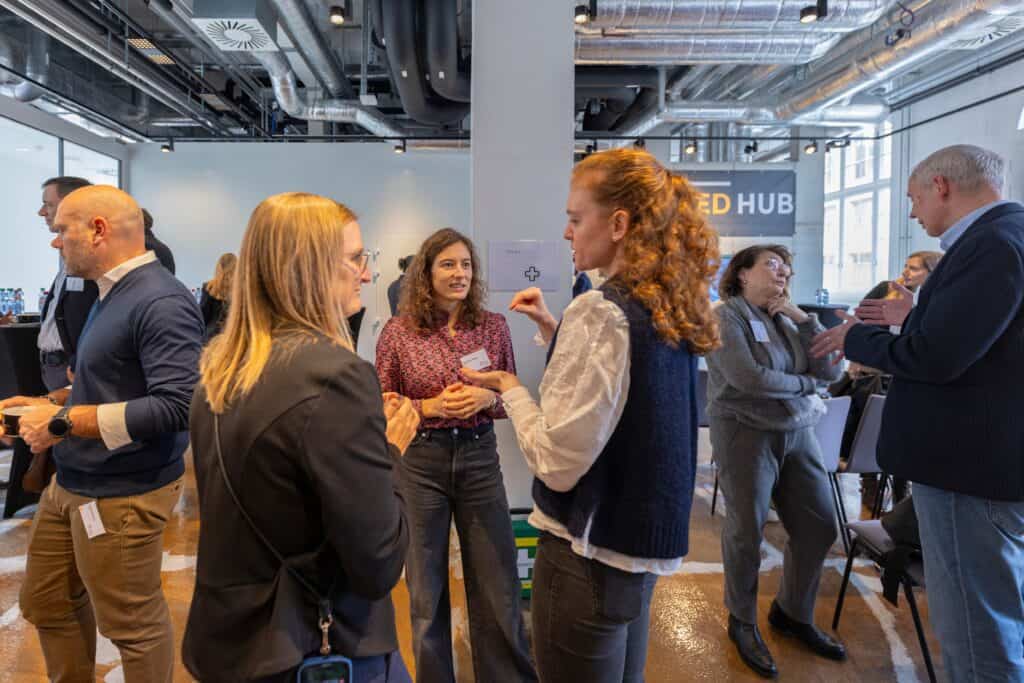
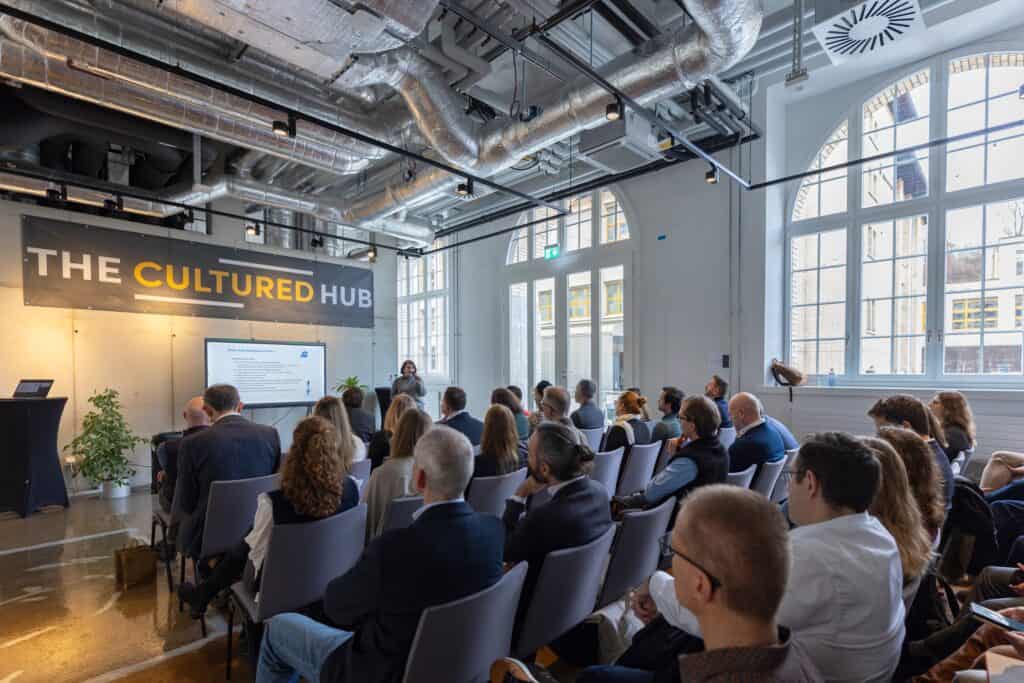
The event brought together start-ups, researchers, and industry professionals to discuss the technical and commercial potential of plant cell culturing. Presentations covered topics including metabolite production, supply chain resilience, and the scale-up of plant cell lines for ingredient production. Participating companies included Ergo Bioscience, Coffeesai, Phyton Biotech, Spicy Cells, Kokomodo, Food Brewer, Celleste Bio, and GALY, each showcasing different approaches to bioreactor-based cultivation of plant biomass and compounds.
Plant cell culture for climate-resilient sourcing
Yannick Jones, CEO of The Cultured Hub, addressed both the promise and limitations of the sector: “Demand for alternative, climate-resilient ingredients is growing rapidly, and plant cell culture is emerging as a credible sourcing platform. Yet the field still faces high costs and complex technical challenges.”
A keynote from Prof. Dr. Ing. Regine Eibl-Schindler of the ZHAW School of Life Sciences focused on “microbotanics,” a term describing the precision cultivation of plant cells for functional molecules, such as flavors and bioactives. Philippe Jutras, Founder of the Plant Cell Institute, added: “Plant cell factories allow us to produce molecules or biomass that are difficult, slow, or expensive to obtain from fields, while reducing exposure to climate and disease risks. But as with any new technology, scaling is the bottleneck.”
Plant cell culturing remains a technically complex and resource-intensive approach, particularly due to the need for sterile processing environments and the variable behavior of plant cells under culture conditions. However, several participants suggested that for specific high-value compounds and supply-constrained crops, the method may offer a viable alternative to conventional sourcing.
Pilot-scale infrastructure without capital burden
To address these barriers, The Cultured Hub offers access to pilot-scale bioprocessing systems of up to 1,000 liters, along with technical expertise and a shared development environment. This infrastructure is designed to reduce the capital burden for emerging companies while providing the capabilities necessary to move from benchtop experiments to industrial trials.
The facility continues to operate as a shared platform for scale-up in cultivated meat and precision fermentation alongside its new plant cell culturing capabilities.