Ingredient solutions company Tate & Lyle and Canadian biotech firm BioHarvest Sciences have expanded their joint development program to cover a broader range of plant-based sweetener molecules, building on an initial agreement signed in 2024.
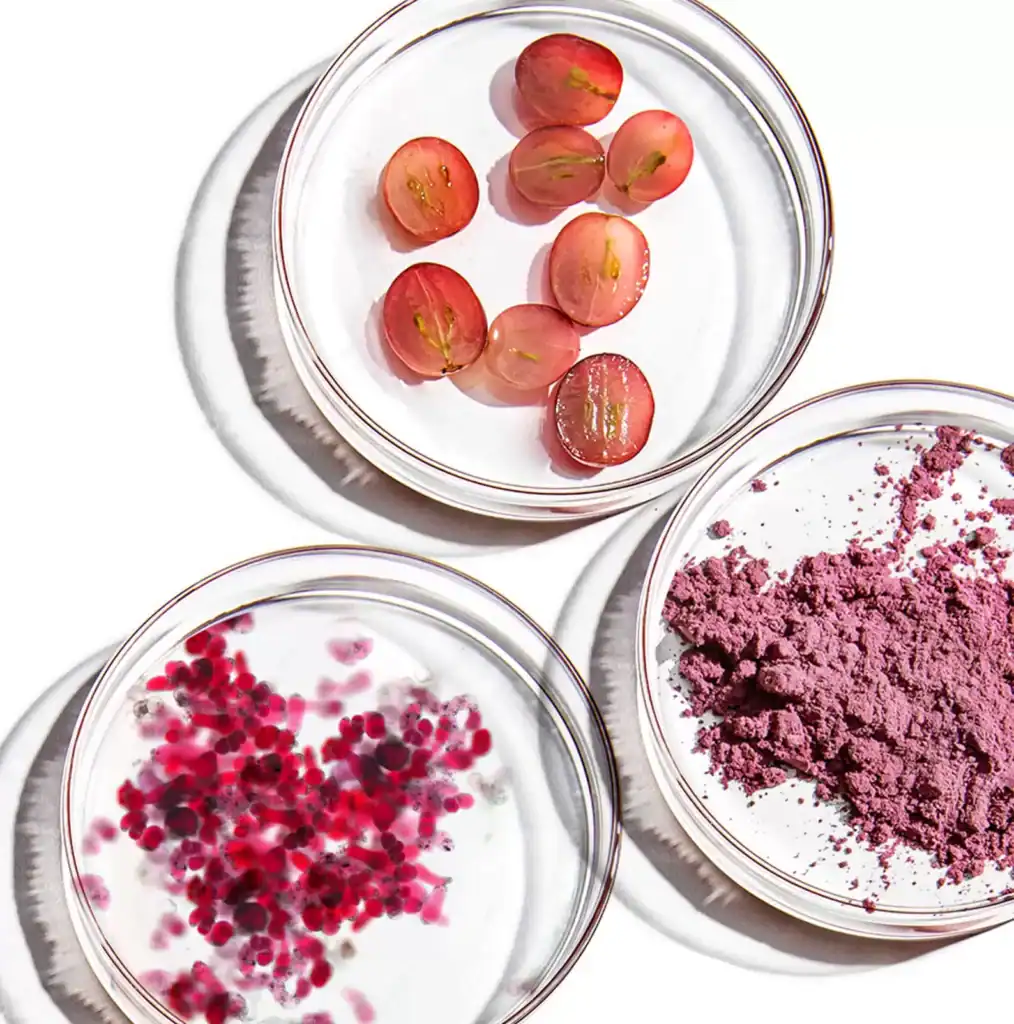
The enlarged program draws on BioHarvest’s Botanical Synthesis platform, a non-GMO industrial plant cell culture technology that produces plant-derived compounds without cultivating the whole plant, reducing dependence on conventional agricultural extraction for botanicals that are rare or difficult to source at scale.
A toolkit, not a single ingredient
The rationale behind working across multiple molecules is formulation flexibility. Different food and beverage categories present different requirements around taste profile, cost, and labelling, and Tate & Lyle’s position is that no single ingredient can address all of them.
Victoria Spadaro-Grant, Chief Science and Innovation Officer at Tate & Lyle, said: “As we define what customers ultimately look for in next-generation sweeteners, sugar-like taste, solutions anchored in nature, reduced calories and responsible use of resources, it is clear that several unmet needs in the market today are unlikely to be addressed with a single sweetener.”
A 2025 proprietary Tate & Lyle survey across seven global markets found that more than half of respondents planned to cut their sugar intake over the following 12 months, with interest in sweeteners derived from fruits and plants outpacing the stated desire to reduce calories or fat.
BioHarvest’s platform
BioHarvest Sciences, listed on Nasdaq under the ticker BHST and headquartered in Vancouver, Canada, operates its research and production through facilities in Rehovot, Israel. Its Botanical Synthesis technology combines plant cell biology, elicitation techniques, AI-assisted development, and industrial bioreactors to produce high-value botanical compounds at scale.
BioHarvest CEO Zaki Rakib said: “Broadening the development program demonstrates confidence in the versatility of our Botanical Synthesis platform and in the progress delivered through our collaboration with Tate & Lyle.”