Leading chocolate producer Barry Callebaut has partnered with the Zurich University of Applied Sciences (ZHAW) to explore the potential of cocoa cell culture technology.
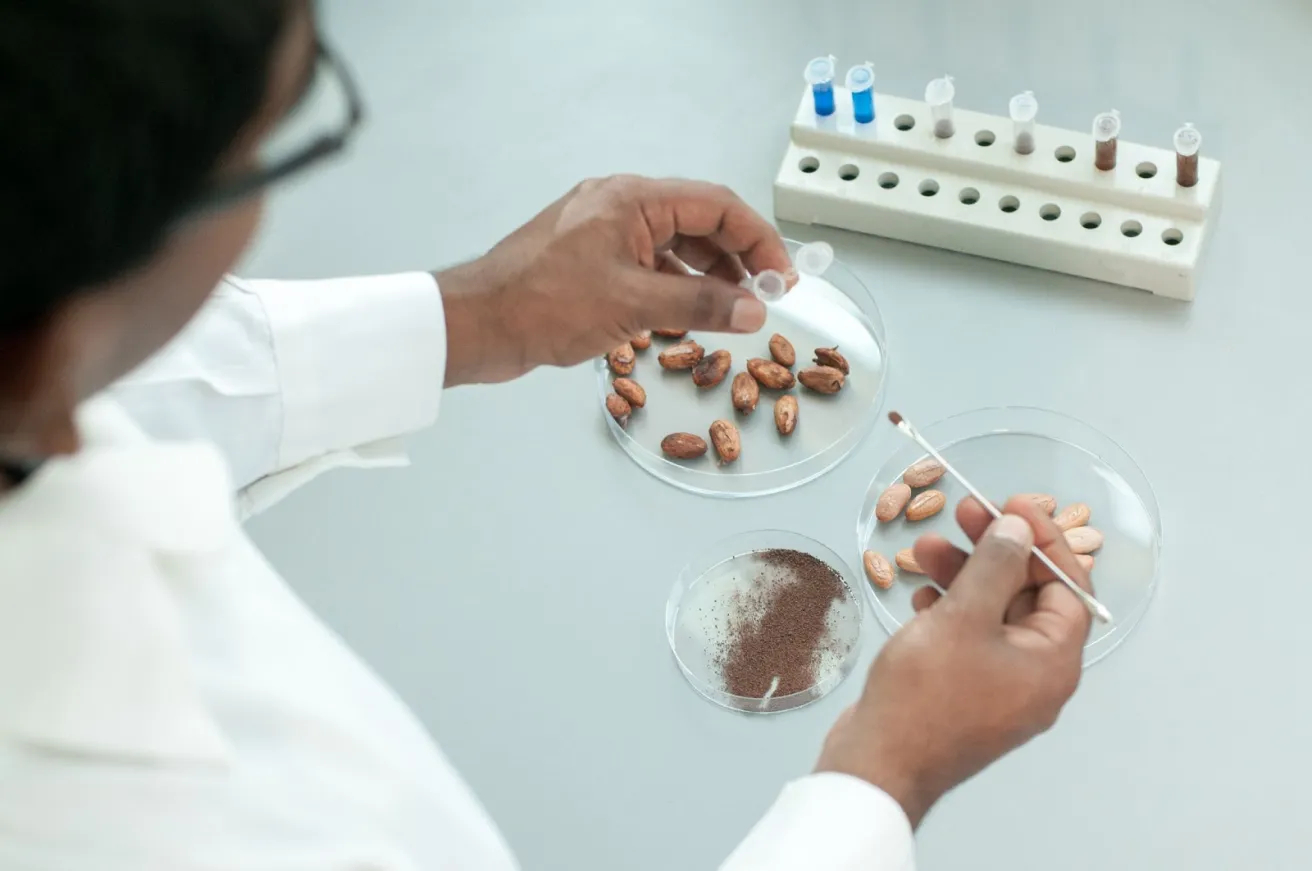
Cocoa cell culture involves the cultivation of cocoa cells in a controlled environment, and has significant potential to improve the sustainability of the industry. It could also help to increase the resilience of cocoa supply chains, which have been affected by climate change and extreme weather.
Furthermore, the technology could allow for the development of new chocolate products with unique flavor profiles or enhanced health benefits. Barry Callebaut says the new strategic partnership is part of its long-term commitment to innovation and sustainability.
“This partnership reflects our proactive approach to building innovation capabilities that will shape the future of chocolate,” said Dries Roekaerts, President Customer Experience at Barry Callebaut. “We are not replacing cocoa from farms, but rather preparing for a future where we can offer consumers additional choices and ensure long-term supply security.”
“Exciting possibilities for sustainable innovation”
The new partnership will combine Barry Callebaut’s expertise in chocolate with the scientific knowledge of ZHAW Professors Tilo Hühn and Regine Eibl, who have previously conducted pioneering work in cell culture technologies. According to Barry Callebaut, the initiative is part of a broader innovation strategy focused on exploring disruptive technologies that could enable new product possibilities and enhanced sustainability.
Elsewhere in the world, other companies are also working on cocoa cell culture technology. For example, California Cultured has announced a partnership with Japanese chocolate producer Meiji Ltd. Co. to integrate its cultivated cocoa products into Meiji’s packaged goods, reportedly marking the first time cell-cultured chocolate will enter any market worldwide. Additionally, Celleste Bio raised $4.5 million in a seed round last year to develop cell-cultured cocoa ingredients.
“Our research into cocoa cell culture technology opens up exciting possibilities for sustainable innovation in the chocolate industry,” said Hühn and Eibl. “With Barry Callebaut’s support, we’re able to accelerate our scientific exploration and bring academic insights closer to real-world applications.”