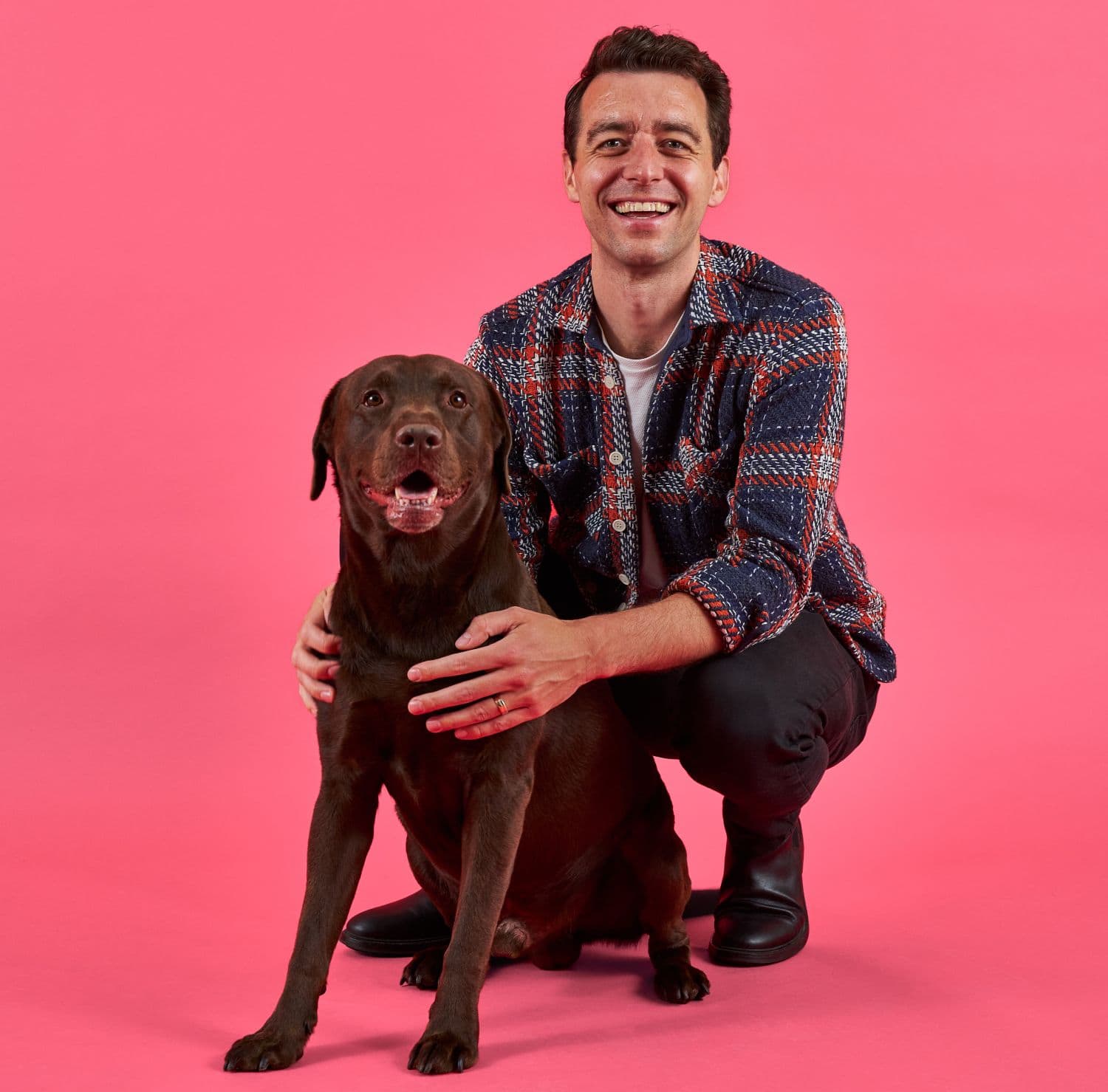
Owen Ensor is the founder and CEO of Meatly, a cultivated meat company that became the first in Europe to receive regulatory approval for selling cultivated chicken for pet food in the UK. Originally from Edinburgh, Owen’s career spans consulting with Bain & Co, launching innovative ventures in Africa, and advising global corporations on plant-based food strategies. As a vegan for over eight years, Owen is committed to creating a more peaceful, healthier, and sustainable world through alternatives to animal agriculture.
In this op-ed, Owen discusses the significant progress made in the cultivated meat industry, focusing on recent advancements that have made the production of cultivated meat more affordable and scalable. He highlights how these developments are particularly relevant to the pet food sector, where Meatly is working to offer more sustainable and environmentally friendly options for pet owners.
Reflecting on the journey from where cultivated meat began to where we are now, the progress has been staggering. In 2015, Mosa Meat’s first cultivated beef burger famously cost around £300,000 to produce. Even just a couple of years ago, making healthy, delicious meat without slaughtering animals could cost hundreds, even thousands, of pounds per portion.
Today, we are approaching the point where we can do it for just a few pounds. That’s not just a nice milestone, it is one of the most important hurdles our sector has overcome to date, and it changes what is possible for the future of cultivated meat.
At Meatly, we’ve chosen to focus on pets first. They consume around 20% of all meat globally, and here in the UK, the average Labrador eats more meat than its owner. That comes with a big environmental footprint, greenhouse gas emissions, land use, and an ever-growing demand that often competes directly with people’s plates. Yet the pet food sector has struggled to find sustainable inputs, as the supply chains aren’t always highly traceable, due to the way meat is processed, and insect and plant-based products are not achieving consumer acceptance. Cultivated meat has the capability to change that. It allows us to feed pets the meat they love while dramatically reducing the environmental cost, and now, due to the recent technological advancements in the industry, it can be both affordable and scalable.
Breaking the cost barrier
Over the past year, we’ve achieved two breakthroughs that mean cultivated meat will be commercially viable when we scale.
We’ve successfully reduced our culture medium costs from around £700 per litre to just £0.22/L, with a clear path to 1.5p/L at an industrial scale. Second, we’ve developed and patented new bioreactors costing about £15,000 for a 300L vessel, compared to the £200,000+ you see in the pharma industry.
These aren’t marginal gains; they are step-changes that open the door for real products in a very real and fast-evolving cultivated meat market.
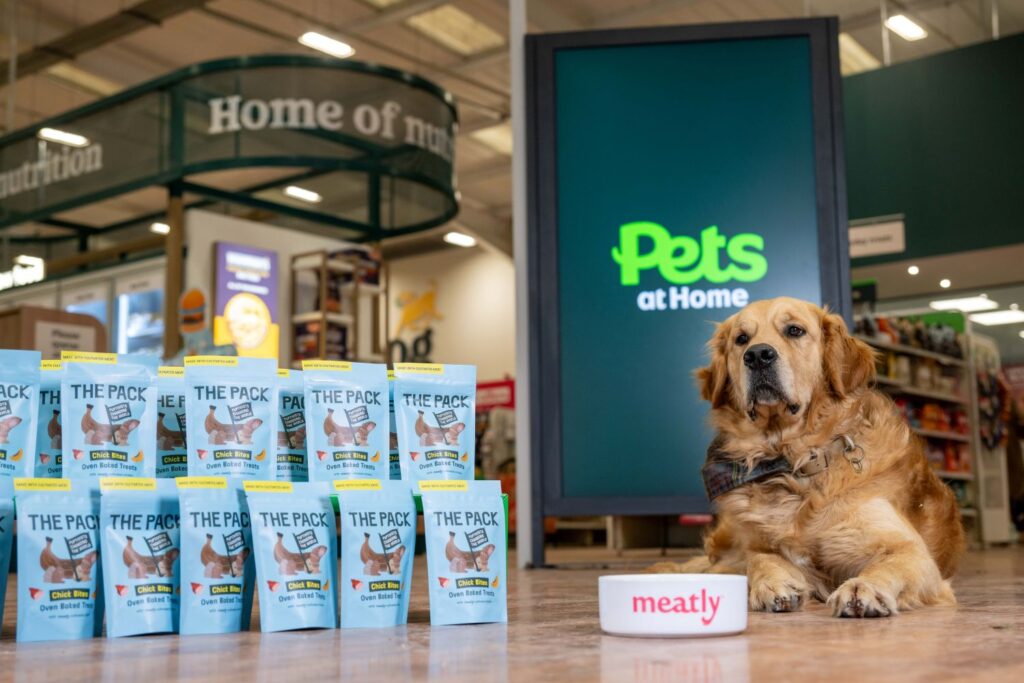
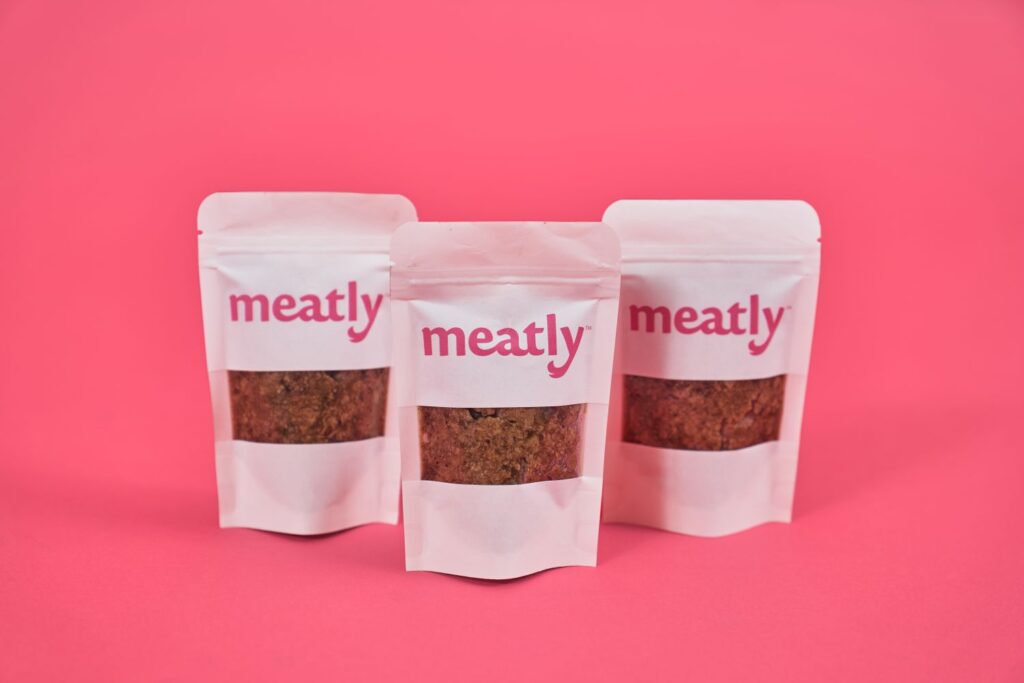
In February 2025, in partnership with plant-based dog food brand The Pack, we launched Chick Bites, the first cultivated-meat pet treats to go on sale at Pets at Home in London. With around 4% cultivated chicken, Chick Bites proved that cultivated meat can be made safely and reliably – and put straight into packaging, onto shelves, and into bowls.
From possibility to practicality
Independent research from the Good Food Institute and CE Delft suggests that production costs could drop to around US$5.66/kg by 2030 as scale grows and inputs get cheaper. Encouragingly, we’re already hitting the metrics to achieve these at scale, and we’re not the only ones. Across the sector, teams are racing to lower costs, improve bioreactor design, and streamline processes. The fundamental cost hurdles that once existed have been overcome, and now it’s time to scale.
For pets, this means cleaner, more sustainable nutrition without the environmental cost of industrial farming. For cultivated meat as a whole, it offers a blueprint others can follow or improve on to bring costs down and scale up.
We’re not asking people to stop feeding their pets meat. We’re showing that it can be done in a way that is kinder to the planet and healthy for your pet. What once cost the earth is now within reach, and this has the potential to change how we produce and enjoy our food for a more sustainable and cruelty-free future.