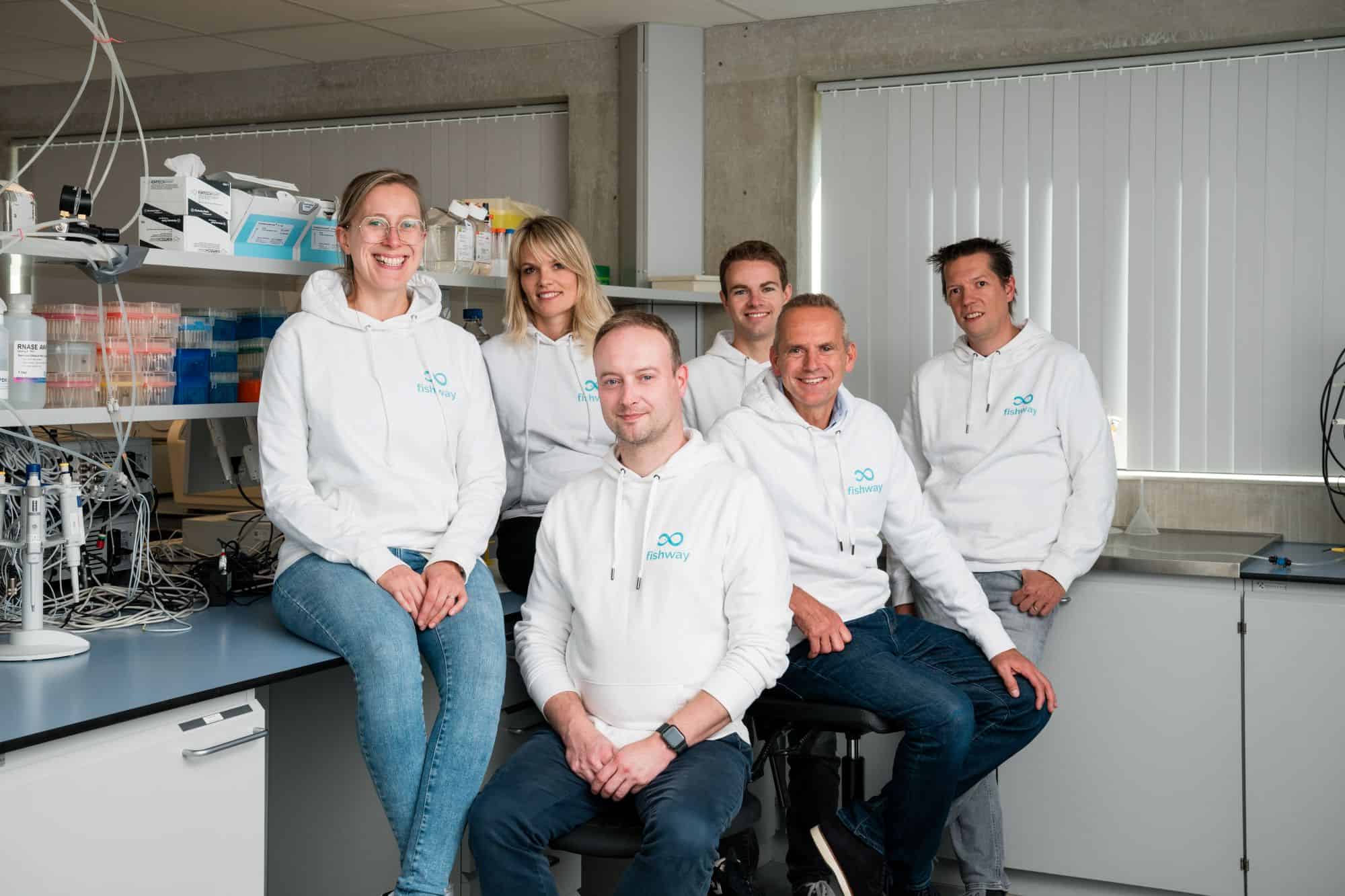
Annina Winkler is Senior Investment Manager – AgriFood & Packaging at Emerald Technology Ventures. She is a sector specialist focusing on food, agriculture and sustainability. Within the sector, she performs sourcing, evaluation and due diligence of investment opportunities. She holds a Master’s degree in Environmental Sciences from ETH Zurich.
In this op-ed, Annina explores how plant and animal cell cultivation technologies are reshaping the future of food production, highlighting their potential to address global sustainability challenges and emerging investment opportunities.
The Global Food Challenge
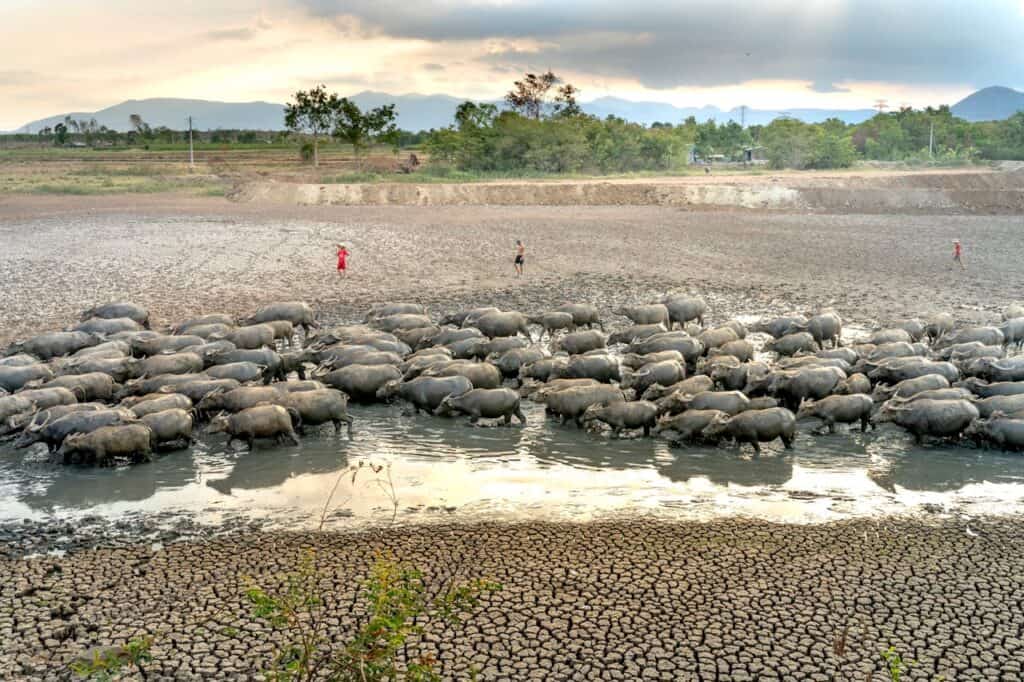
By 2050, the global population is projected to approach 10 billion, demanding a fundamental transformation in how we produce food (UN DESA). Yet the systems feeding us today are already under immense strain. Climate stress is eroding yields of key crops such as wheat, maize, and rice due to rising temperatures and extreme weather events (IPCC). Urbanization compounds the issue: by mid-century, over 80% of the global population will live in cities (World Bank), consuming arable land and intensifying the pressure on already limited natural resources.
At the same time, natural ecosystems are deteriorating. More than one-third of soils are degraded, and 40% of people worldwide face water stress (FAO). Together, these factors underscore a stark reality – traditional farming alone will not be able to meet future food demand. The path forward lies in rethinking how food is produced and embracing innovative technological solutions that can complement, and ultimately transform, existing agricultural systems.
The Rise and Plateau of Alternative Proteins
Over the past decade, the alternative protein sector has undergone an unprecedented wave of innovation. Fueled by shifting consumer preferences toward sustainable and healthier diets, companies developed products across a spectrum of technologies – from plant-based and insect-derived proteins to more advanced fermentation and cell cultivation platforms.
Venture capital investors followed suit. According to PitchBook, VC activity in alternative proteins surged beginning in 2020, peaking in 2022 with total capital investments exceeding USD 1.2 billion. This influx of capital reflected optimism that food innovation could address both planetary and consumer needs.
However, as the initial enthusiasm matured, cracks began to appear. Many startups faced difficulties replicating the taste, texture, and sensory experience of alternative meat, fish, or dairy products. Others struggled to scale up their production processes efficiently, leading to high production costs and delayed commercialization. As a result, market excitement gave way to more tempered investor expectations, demanding clearer pathways to profitability and scalability.
Cell Cultivation: From Promise to Pressure
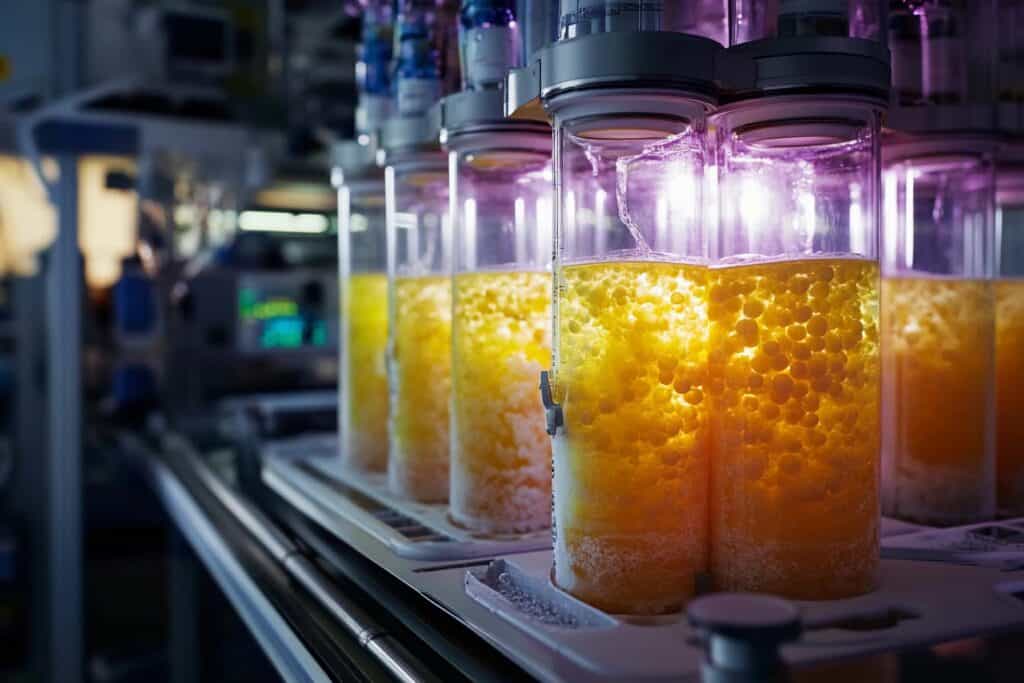
Among the various alternative protein approaches, bioreactor-based cell cultivation captured particular attention for its ability to produce the “real” product – meat, fish, or dairy – with authentic taste and texture. This approach relies on cultivating animal cells directly, rather than raising and slaughtering animals, to deliver products biologically identical to conventional ones.
The technology’s promise drew major investment rounds, with several startups raising tens to hundreds of millions within short timeframes. Believer Meats (formerly Future Meat Technologies), an Emerald portfolio company, raised USD 347 million in a Series B round in 2021 – a milestone that marked both investor confidence and growing industry momentum.
However, as overall venture activity in the food sector slowed in 2022, funding into cell cultivation also declined. According to the Good Food Institute (GFI), investment across the alternative protein space dropped by more than 40% in 2023 compared to the previous year, mirroring broader macroeconomic caution. Meanwhile, cellular agriculture continued to face two fundamental hurdles: high production costs and regulatory complexity. Analysts at DigitalFoodLab describe the field as having moved from the “phase of excitement” to the “phase of disillusion,” as commercial scalability remains elusive.
The Emerging Opportunity in Plant Cell Cultivation
While animal cell cultivation grapples with these challenges, plant cell cultivation has quietly emerged as a promising, lower-barrier alternative. This technology – a well-established branch of biotechnology – dates back to the early 20th century. Foundational experiments in the 1930s and 1940s demonstrated that isolated plant cells could grow and divide in vitro under controlled conditions. Over the decades, technology evolved from a research tool into a scalable production method for high-value compounds such as pharmaceuticals, flavors, fragrances, and cosmetics.
Today, a new generation of companies is reimagining plant cell cultivation for the food and ingredient sectors. Firms such as Chi Botanic, Botalys, Green Bioactives, and Coffeesai are leveraging plant cell cultures to produce scarce or hard-to-source natural ingredients – including coffee, aloe vera, vanilla, and Korean ginseng – without relying on traditional cultivation or seasonal harvests.
Scientifically, plant cells are better understood and more stable than animal cells, and from a regulatory and cost perspective, the hurdles are significantly lower. This positions plant cell cultivation as not only a viable scientific approach but also an increasingly attractive investment opportunity for venture capitalists seeking scalable and sustainable value creation within food and biotechnology.
Case Study: Cocoa as a Testbed for Innovation
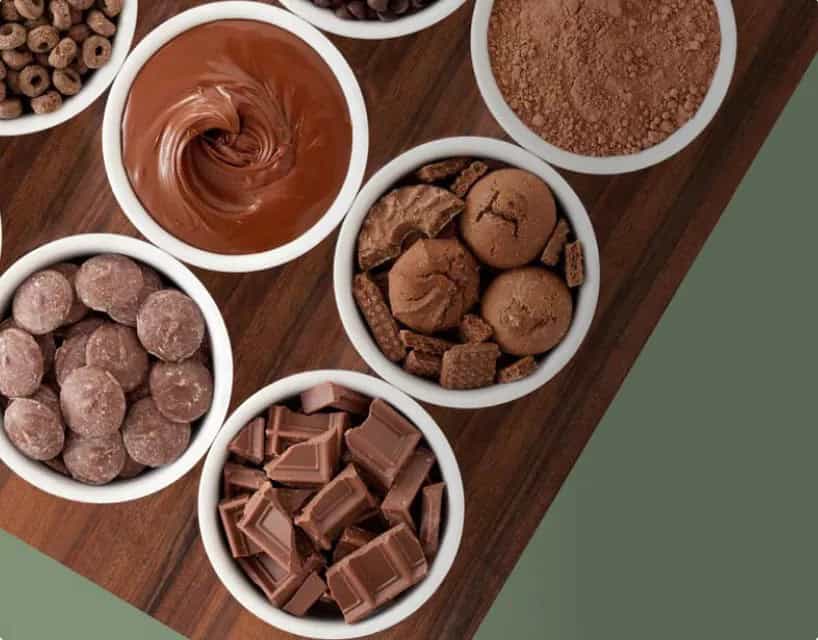
The cocoa sector offers a tangible example of how plant cell cultivation could address urgent supply and sustainability challenges. Over the past year, cocoa commodity prices have surged by more than 250%, surpassing USD 10,000 per ton due to severe shortages. Food and beverage producers, facing volatile costs, are urgently exploring alternative sourcing strategies.
While plant-based cocoa and chocolate alternatives are being worked on by companies like Planet A Foods, Nukoko or Endless, or fermentation is being used as enabling technology for microorganism-based production of cocoa fat replacements (e.g., Circe Biosciences, NoPalm Ingredients, Clean Food Group), the following startups are using bioreactor-based plant cell cultivation to produce cocoa powder and butter equivalents:
| Product under development | VC funds raised to date (Source: PitchBook) | Corporate investors | Corporate collaboration partners | |
| California Cultured (USA, 2020) | Powder, butter | USD 18M | Sparkalis | Meiji |
| Food Brewer (CH, 2021) | Powder | USD 10M | Sparkalis, Lindt&Sprüngli | Steinecker |
| Celleste Bio (IL, 2022) | Powder, butter | USD 4.5M | SnackFuture Ventures | |
| Kokomodo (IL, 2024) | Powder | USD 0.75M |
Looking Ahead: A Scalable Path to Sustainable Ingredients
Cell cultivation technologies represent a pivotal step in the evolution of global food systems. By enabling the production of authentic-tasting ingredients without the environmental costs of conventional agriculture, they offer a pathway to both sustainability and resilience.
Animal cell cultivation remains a long-term vision – powerful in its potential but constrained by cost, regulation, and consumer acceptance. In contrast, plant cell cultivation offers nearer-term commercial viability, leveraging decades of biotechnological expertise and a clearer route to market.
At Emerald, we see plant cell cultivation playing an important role in the next wave of sustainable ingredient innovation. As food systems transition toward greater resource efficiency, this technology may well become a cornerstone of the bio-based economy, helping bridge the gap between the promise of cultivated foods and the realities of global demand.
Sources:
- UN DESA – Population Growth and Sustainable Development
- IPCC – Special Report on Climate Change and Land
- World Bank – Urban Development Overview
- FAO – Status of the World’s Soil Resources
- FAO – Water Scarcity
- DigitalFoodLab