In this podcast series, Alex Shandrovsky interviews investors about benchmarks for funding Alt Proteins in 2026 and uncovers the investment playbooks of successful Climate Tech CEOs and Leading VCs.
Podcast Host Alex Shandrovksy is a strategic advisor to numerous global food tech accelerators and companies, including alternative proteins and cellular agriculture leaders. His focus is on investor relations and post-raise scale for agrifood tech companies. This podcast is syndicated through our media partners, Foodtech Weekly and Vegconomist.
Episode 68: FoodSparks
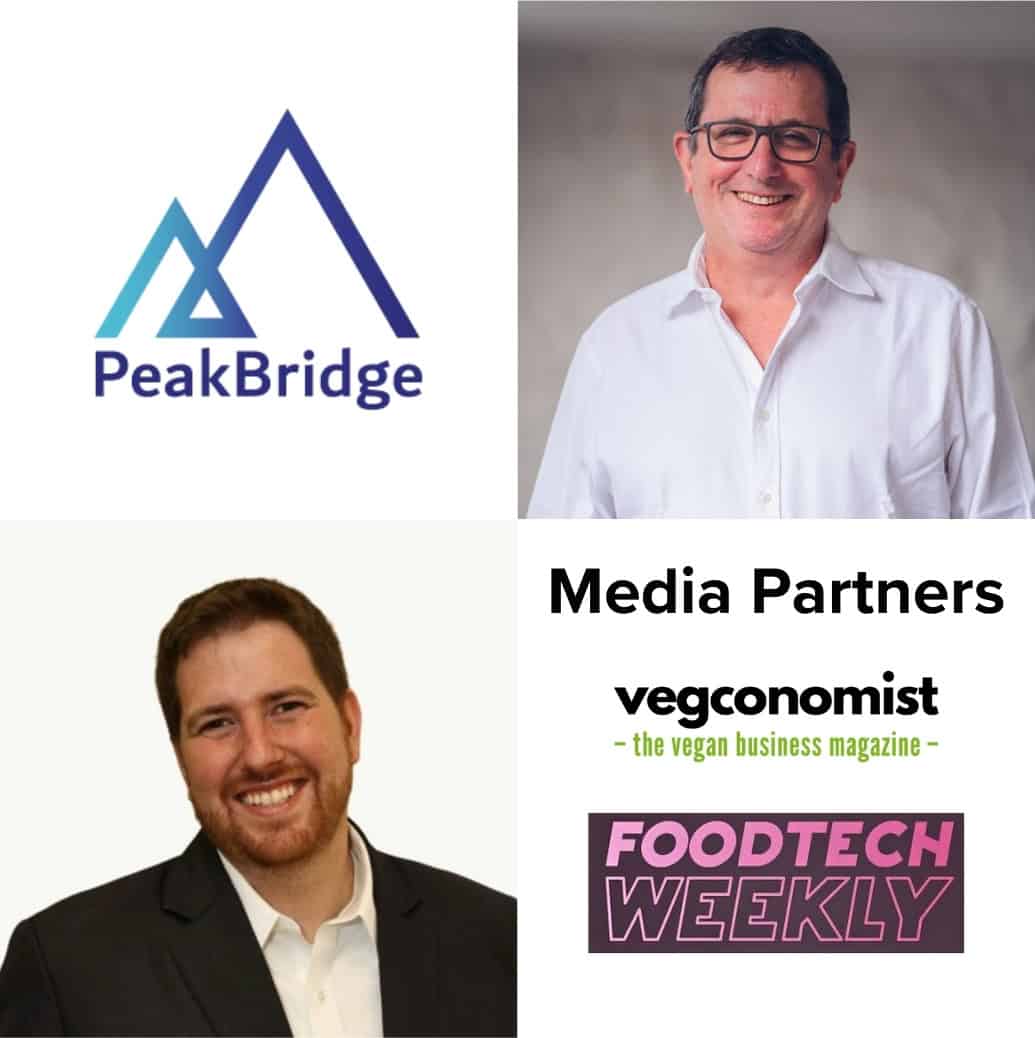
In this episode, I sit down with Yoni Glickman, Managing Partner of FoodSparks (PeakBridge’s seed-stage fund). Yoni shares why PeakBridge completely avoided the hype cycles of vertical farming and insect protein, focusing instead on a rational, “boring” thesis: solving real problems in the food system. Yoni breaks down why he believes the “Power Law” (one 10x exit returning the fund) doesn’t apply to FoodTech and how he constructs a portfolio for realistic 2-5x returns. We also dive into his four new investments—including Finnish mushroom leader Kääpä Biotech and GI-health platform Evinature—and discuss the massive, underappreciated impact of “Direct-to-Patient” pharma and GLP-1 drugs on the future of nutrition. Listen to the full episode to hear Yoni’s breakdown of why B2B ingredient blends are the smart play over consumer brands.
Key Facts FoodSparks:
- Goal: To invest at the intersection of health, nutrition, and food, avoiding “invented problems” and focusing on scalable B2B solutions.
- Milestone: Actively deploying from “Growth 2” fund with a unique structure: Seed pockets ($300k-$500k) for validation and Series A checks ($2M-$5M) for scaling.
Alex’s Top Findings:
The “Power Law” is Dead in FoodTech. Yoni challenges the Silicon Valley VC model where one moonshot pays for all failures. In FoodTech, success comes from rational portfolio construction where a cluster of companies delivers solid 2-5x returns, rather than betting on a single 100x unicorn. “Food is not gonna be, ever in my belief, a ‘you bet in some sort of technology and you return the funds with one investment 10x’… You need to construct your portfolio in a rational way… and really end up in an overall fund return of what we’re looking at, which is the three to four X.”
Strategic CapEx Only. PeakBridge isn’t allergic to CapEx, but they are allergic to generic CapEx. Yoni explains their investment in Kääpä Biotech (mushrooms): they will fund CapEx if it builds a defensive moat (like specific extraction tech or growing protocols), but generic downstream processing should always be outsourced. “I’m not allergic to CapEx, I’m allergic to massive CapEx… The CapEx should be strategic when it does something special. So I don’t want to invest in generic CapEx because you can often find CMOs to do the generic CapEx.”
The “Dry Blend” B2B Pivot. Using their portfolio company “Whip” (plant-based ice cream) as an example, Yoni explains why they pushed the founders away from a consumer brand. The winning model is selling a complex, hard-to-reverse-engineer dry ingredient blend to existing ice cream makers, avoiding the cash-burn of marketing and cold-chain logistics. “We don’t believe that the opportunity is gonna be in consumer because you’re going to have to spend a huge amount of money on marketing… We believe that you have a wonderful product which can be moved to the B2B framework… It’s not that simple to reverse engineer a blend.”
Link to Apple Podcast here.
Catch the full podcast series here.