Chemical and biotech company WACKER has announced the launch of a new bioengineered growth factor specially developed for use in the production of cultivated meat.
The growth factor is called Recombinant bovine FGF-basic Food, or FGF-2 Food. It is produced microbially using fermentation, and is free of animal-derived components. Described as highly purified, FGF-2 Food meets the Global Food Safety Initiative’s strict quality standards.
When used in cultivated meat production, the ingredient promotes cell proliferation, particularly of muscle and connective tissue cells, while preventing premature differentiation. This enables the use of cell culture media without animal-derived components such as fetal bovine serum.
“FGF-2 is an essential growth factor for cell cultivation in the production of cultivated meat,” said Mathias Wiedemann, head of WACKER’s BIOSOLUTIONS life sciences division. “With our biotechnological solution, we offer a reliable and scalable alternative to existing products — making an important contribution to establishing sustainable protein sources.”
Making cultivated meat more accessible
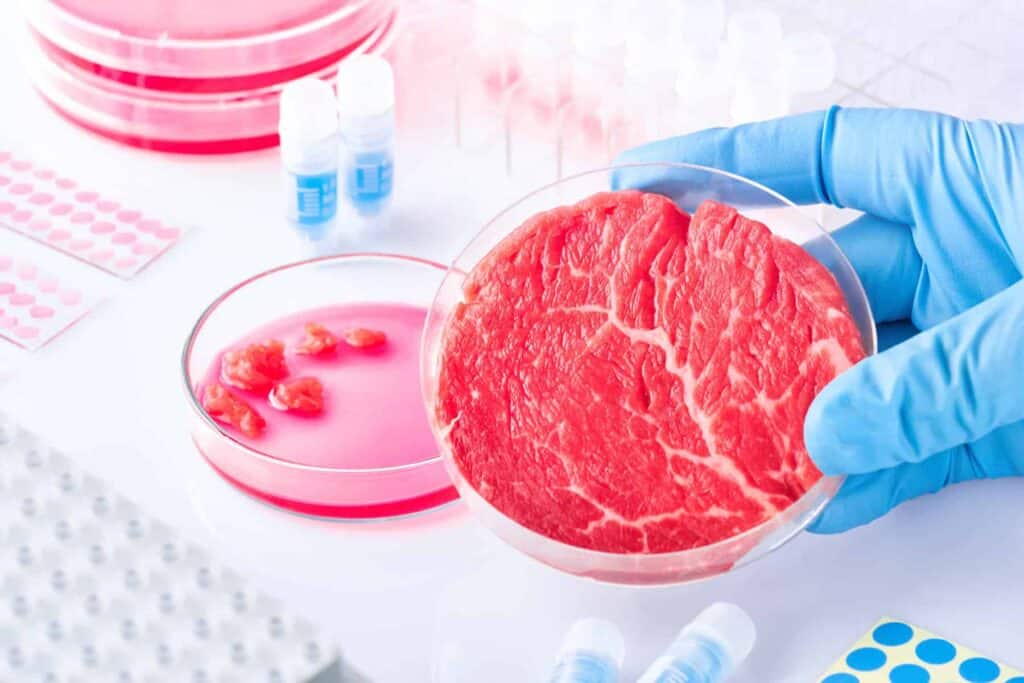
According to WACKER, FGF-2 Food could help cultivated meat producers reduce costs and scale their technologies. The company claims to be the first manufacturer of cell culture media ingredients that is capable of supplying commercially viable quantities in food-grade quality.
The rollout of FGF-2 will initially focus on the US market, with Asia and Europe to follow next year. The first batches of the ingredient are already available, and deliveries will start in the fourth quarter of 2025.
“For cultivated meat production, WACKER BIOSOLUTIONS leverages its deep knowledge, advanced technologies, and industrial capabilities to supply essential proteins and other molecules needed for cell culture media,” Iris Maria Dahlem, Innovation Manager at WACKER BIOSOLUTIONS, told Cultivated X earlier this year. “These components are produced in the necessary quantities, at the required food-grade quality, and at cost-effective prices. This means we can help cultivated meat producers scale up their operations and reduce costs, making cultivated meat more accessible to consumers.”