Fushine Biotech has gained regulatory approval in China for mycoprotein sourced from the fungus Fusarium venenatum. The milestone was achieved with technical support from product safety consulting firm CIRS Group, which previously helped Fushine Biotech obtain a GRAS (Generally Recognized as Safe) notice for the ingredient in the US.
The application was submitted to China’s National Health Commission (NHC) in February, and the China National Center for Food Safety Risk Assessment released the draft for public comment in July. The NHC then approved the mycoprotein as a food ingredient on November 27.
Fusarium venenatum was first developed as an alternative protein ingredient in the UK in the 1950s. It has been approved in several markets, including the EU, the US, Canada, Australia, and New Zealand. Most famously, the ingredient is used by the meat alternatives brand Quorn.
The mycoprotein is produced in large-scale tanks using fermentation technology. The process is considered to be very sustainable, since it requires far less land than conventional agriculture and can take place year-round.
“Poised for widespread adoption”
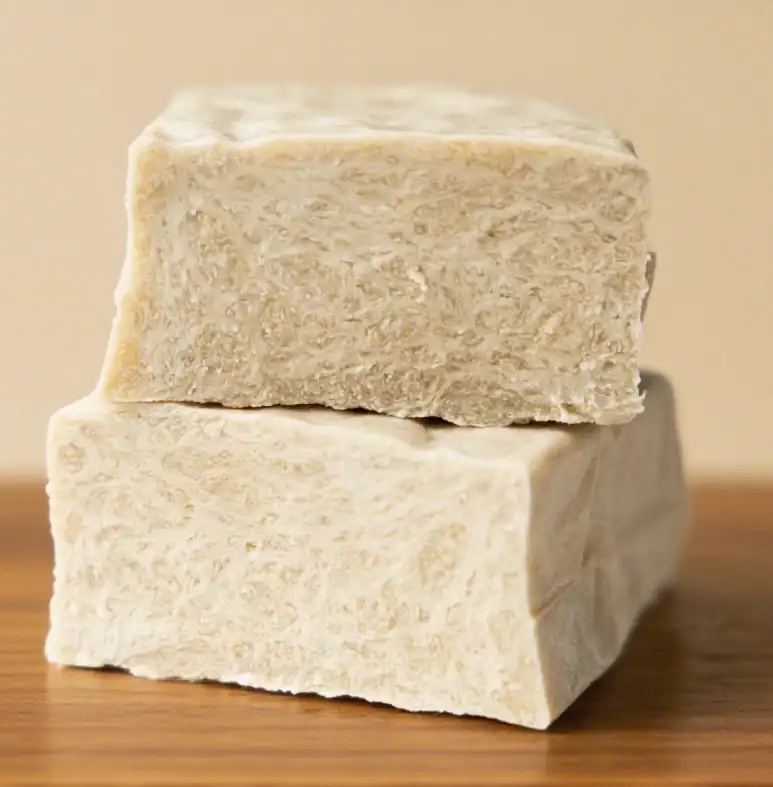
The natural fiber structure of Fusarium venenatum is said to mimic the texture and mouthfeel of animal meat. The ingredient is also high in protein and fiber, with a low fat content.
However, the thick cell walls of the fungus can make it difficult to digest for some people. Recent research found that the gene-editing tool CRISPR could be used to improve the properties of the mycoprotein, making it even more sustainable and easier to digest.
“As a high-protein, low-fat, palatable, and sustainable alternative protein, mycoprotein from Fusarium venenatum is poised for widespread adoption in the food industry upon regulatory approval, emerging as an innovative solution to address global food crises and climate change,” said CIRS Group. “Driven by both policy support and technological advancements, this protein may soon become a new healthy dietary option, injecting fresh vitality into the sustainable development of the food sector.”