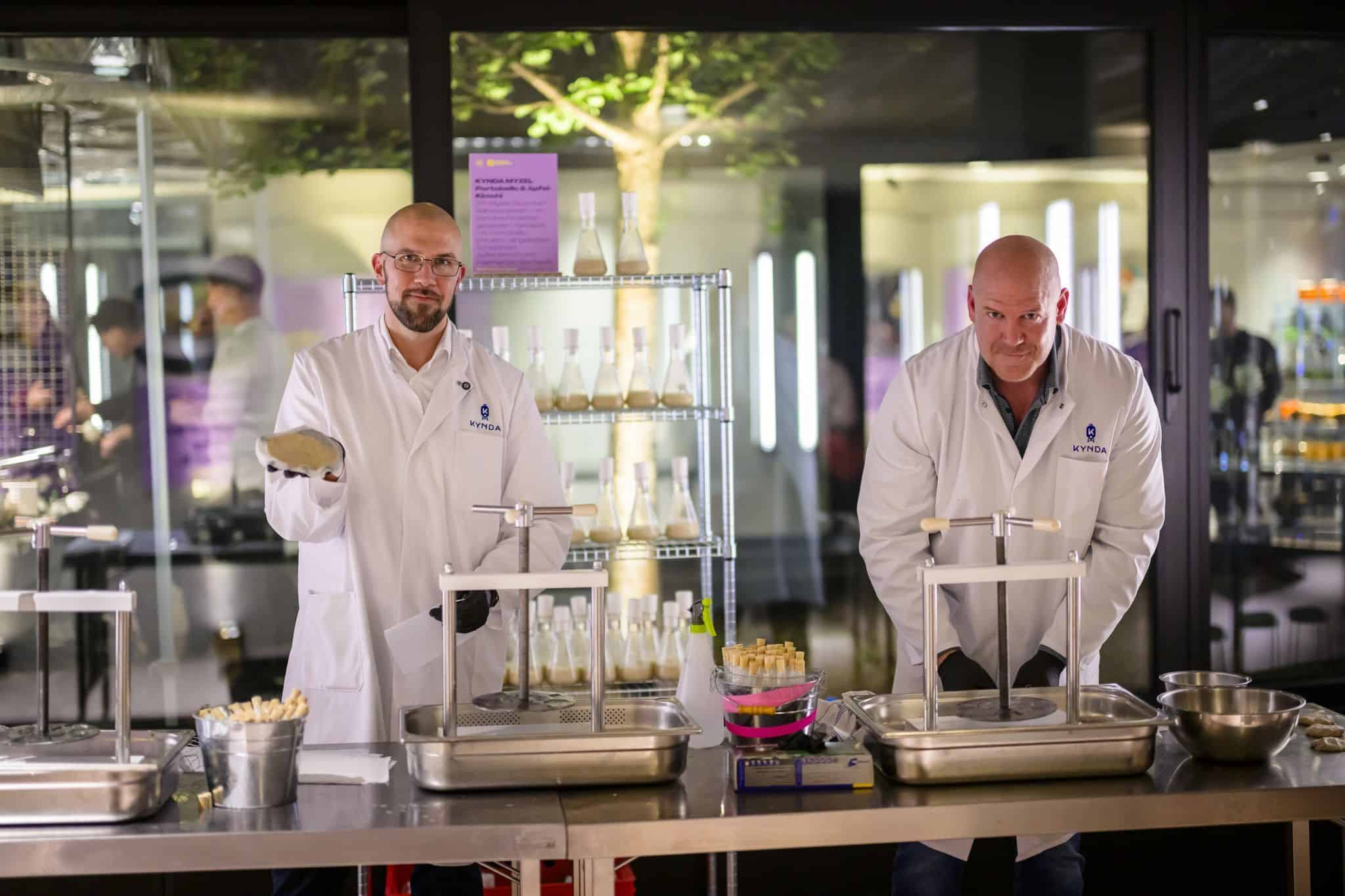
Kynda, a biotechnology company specializing in fermentation-based protein production, has opened a new research and production facility in Jelmstorf, Lower Saxony. The 720-square-meter site combines laboratory and production operations, with the aim of converting underutilized food processing sidestreams into fungal mycelium for use as protein.
The facility includes 360 square meters of R&D space focused on process optimization and substrate adaptation, alongside a production area with 40,000 liters of fermentation capacity. This scale enables the development of starter cultures which, according to the company, can support the decentralized production of up to 25,000 tons of fungal mycelium annually at customer facilities.
Targeting overlooked materials in the EU food system
Kynda’s fermentation process is designed to operate within existing industrial infrastructure, targeting sidestreams from plant protein processing, soy and oat beverages, dairy, sugar, and starch production. The company reports that more than 90 million tons of such sidestreams remain unused across the EU each year, despite containing nutrient-rich components.
“To achieve real impact, we deliberately share our technology with industry,” said Franziskus Schnabel, COO and Co-Founder of Kynda. “We enable companies to create more value and increase efficiency directly within their existing facilities, rather than serving niche markets only.”
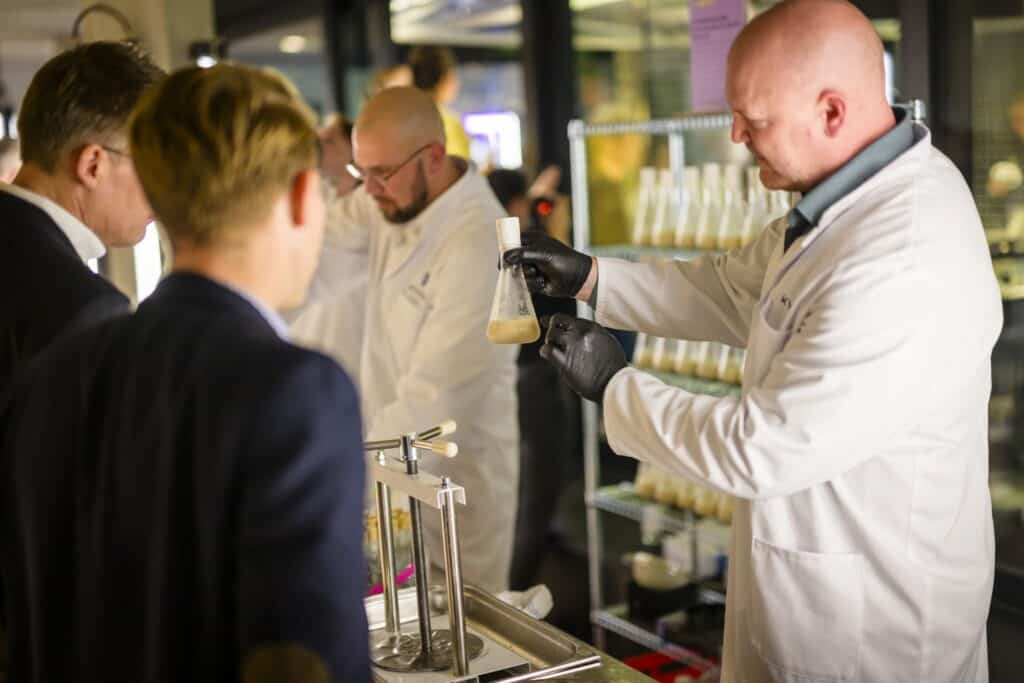
Founded in Germany, Kynda employs 12 people at its Jelmstorf site and develops modular fermentation systems intended for integration into existing food production infrastructure.
Representatives from the food industry attended the inauguration, with German and European manufacturers reportedly evaluating the technology for on-site application. Kynda describes itself as a full-service provider, offering support across process design, control, technical implementation, and harvesting.
Minister cites fermentation as “a key technology”
Lower Saxony’s Minister for Food, Agriculture and Consumer Protection, Miriam Staudte, was present at the opening. In prepared remarks, she stated: “Fermentation is one of humanity’s oldest cultural techniques and at the same time one of the most modern answers to the question of how we can sustainably provide safe and affordable nutrition for a growing global population. It is therefore a key technology for the agri-food industry.”
She added that “Kynda ranks among Europe’s technological leaders in biomass fermentation for food,” and described the sector as a potential economic driver for the region.