South Korean cellular agriculture company TissenBioFarm has announced that it has developed cultivated meat with a cell density equivalent to, and in some cases exceeding, that of conventional meat. The company claims this development marks the first time cultivated meat has reached this benchmark using tissue engineering methods.
Cell density remains a key technical challenge
The result addresses a long-standing technical limitation in the cultivated meat sector. Many products under development have faced difficulties replicating the structural and cellular characteristics of traditional animal tissue. Cell count and density have been key metrics in determining the feasibility of cultivated meat as a true analogue to conventional cuts.
TissenBioFarm said the achievement was made possible by approaching cultivated meat not as a simple accumulation of individual cells, but as a form of engineered tissue. The company stated, “Biologically, meat is not a simple aggregation of cells, but a form of tissue. The same principle applies to cultivated meat, which is also meat built from cells.”
TissenBioFarm stated that it will continue to focus on validation and further development using tissue engineering as the foundation for its cultivated meat platform.
Density levels surpassing conventional benchmarks
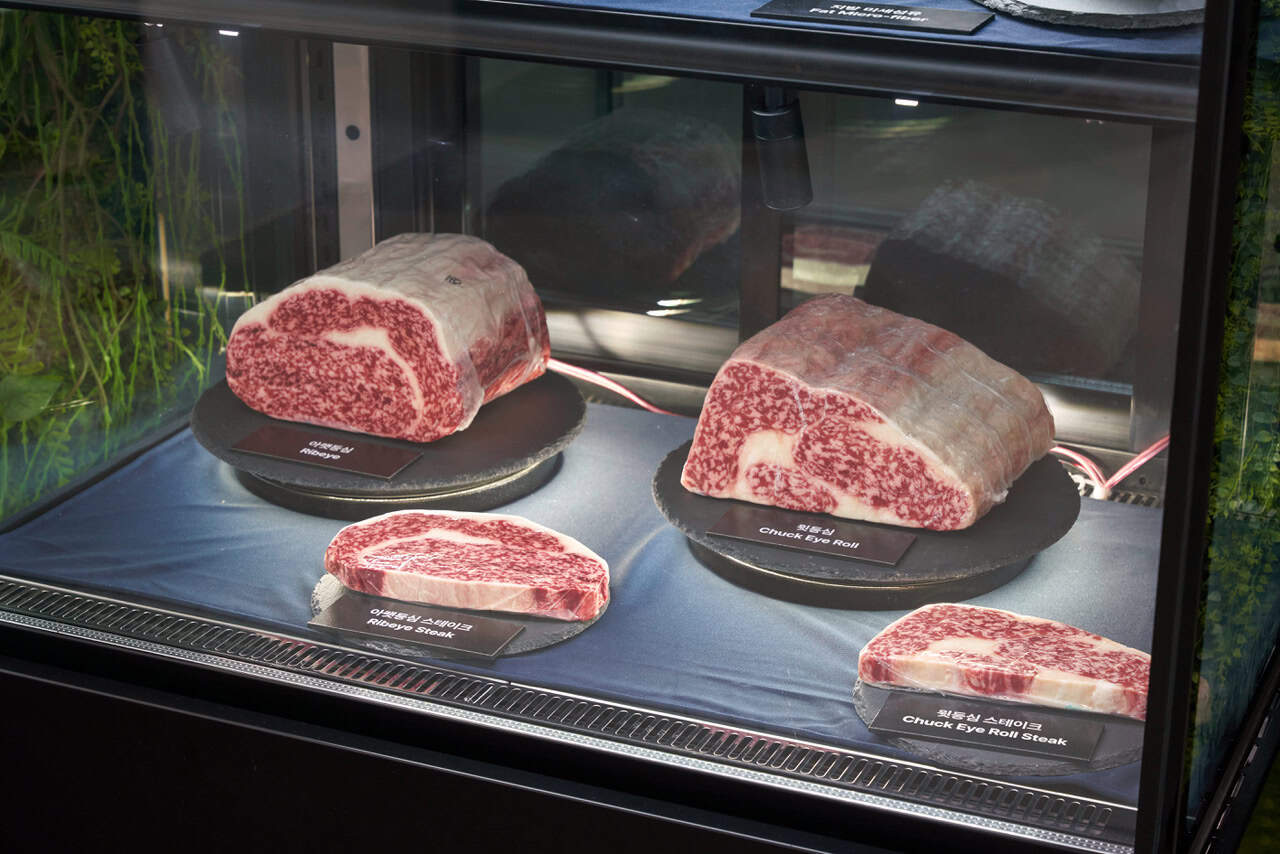
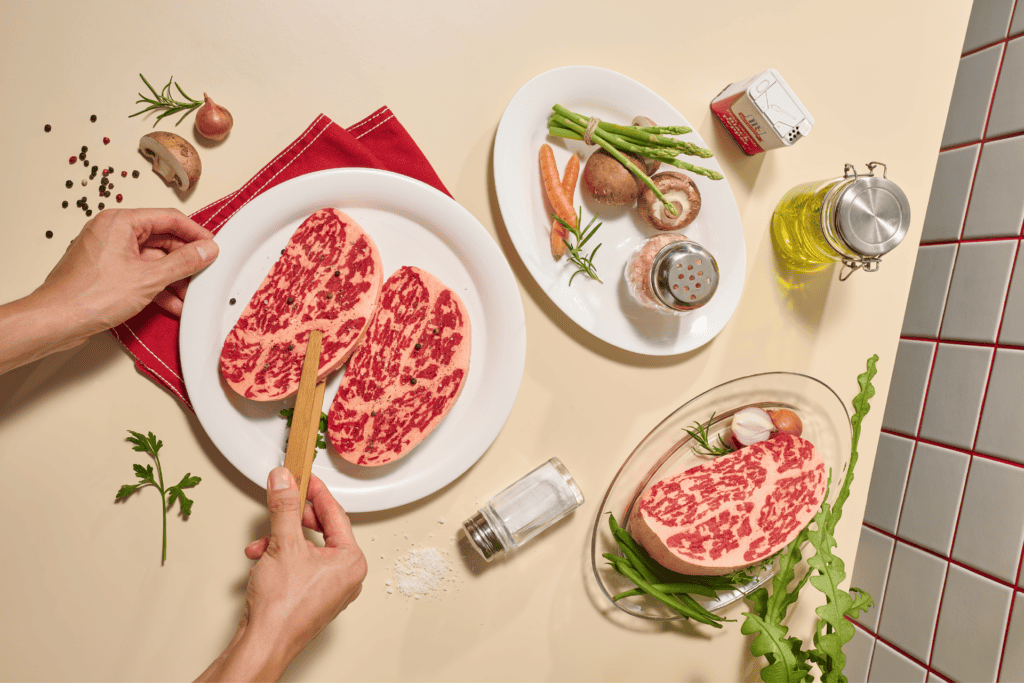
According to the company, its cultivated meat can now match the cell density of beef cuts such as ribeye, and in some cases can contain more than twice the number of cells found in the same volume of conventional meat. These outcomes were achieved by controlling initial cell density conditions during the cultivation process.
TissenBioFarm’s tissue-focused approach presents a contrast to cell-centric methodologies, and the company maintains that its results represent a technical outcome, not a projection or theoretical model.
The company stated that its achievement raises the possibility of reconsidering how cultivated meat is evaluated, suggesting that future discussions may focus not only on cell count but also on the functional and commercial implications of higher cell density, such as improved texture, nutritional content, or reduced reliance on scaffolding materials.